Blog / Cockeysville Honda Service

Honda Winter Maintenance

You have probably noticed that the temperature is starting to drop outside. It is important for you to make sure your car is ready for the cold weather, and that means reaching out to a local dealership that can help you. We are Anderson Honda, and it would be our pleasure to make sure your car is ready for winter weather. There are too many people who wait too long to bring their car to the shop. It is better for you to be proactive, so take a look at a few of the most important maintenance tips you need to follow below. Then, give us a call to make an appointment.

1. Think About Your Tires
First, you must make sure that you think about your tires. Your tires are tremendously important for your overall safety, and you must make sure they are ready for the winter weather. When the temperature begins to drop outside, your tire pressure will drop naturally. Therefore, you should take a closer look at your tire pressure to make sure it is appropriate. If you do not have the right pressure in your tires, your gas mileage could suffer, and you may feel like your car doesn't handle as well.
You should also consider investing in winter weather tires. If you believe you will spend a lot of time driving in the snow, it might be worth it to purchase a set of snow tires. Even though there might not be a lot of snow locally, you never know where you will go during the winter. It is always better to be safe instead of sorry.

2. Consider Your Windshield Wipers
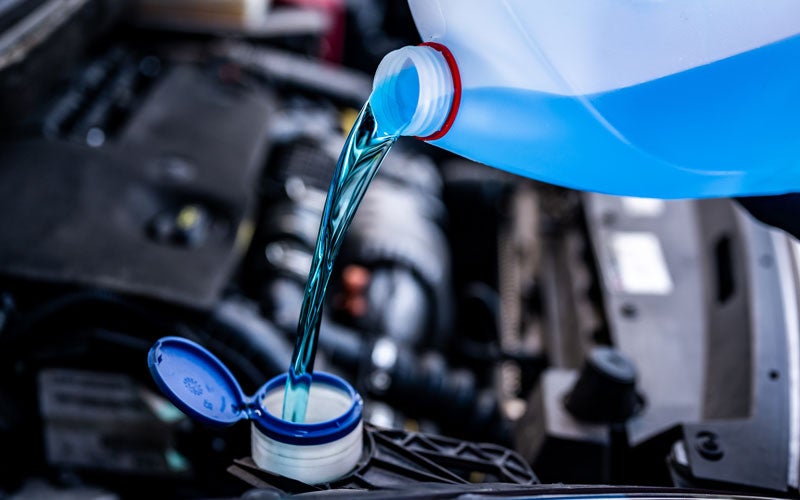
You also need to think about your windshield wipers. You should make sure you have plenty of windshield wiper fluid available, as it could come in handy if you have to deal with ice and snow on your windshield. You also need to get your windshield wipers inspected. Many people do not realize that they need to change their windshield wipers from time to time. If you do not change your windshield wipers on time, you may have a difficult time getting rid of the snow and ice from your windshield. Then, as a result, you might have a difficult time seeing. Make sure you check your windshield wipers.

3. Get the Heater Checked
Of course, you deserve to be comfortable when you drive down the road during the winter, and that is why you should get your heater checked. It may have been a long time since you last had your heater inspected, and that is why you should contact our dealership for a service appointment. How do you know your heater is working appropriately? How do you know that the defroster will help you remove ice from the windshield? Let us make sure that your heater is working efficiently.

4. Get Your Routine Maintenance Completed
Finally, you should make sure that you get all routine maintenance completed on time. For example, it might be time for you to change your oil, and we can help you with that. There might be issues related to your brakes, and we can take a look at them for you. We need to make sure that your engine is working efficiently, and we must also make sure that your brakes can bring your car to a complete stop in the event of an emergency. There are a lot of routine maintenance tasks on your list, so make sure you complete them before winter precipitation arrives. Visit our dealership and speak to our team.

Call Anderson Honda Today To Make an Appointment
At Anderson Honda, it is our goal to help you and get as much use out of your car as possible. Just because the weather is starting to get colder outside doesn't mean you can't use your car; however, you still need to put safety at the top of your priority list. That means making sure your car is ready for the winter weather. Our service center is here to help you, so give us a call today to schedule an appointment. Let us make sure your car is ready for the cold weather.

Posted in:

Related Posts

Honda Coolant FAQ: The Overlooked Fluid That Protects Your Entire Engine

Honda Coolant: The Overlooked Fluid That Protects Your Entire Engine

Modern vehicle design is full of sophisticated engineering, from advanced safety systems to turbocharged powertrains. Yet one of the most important components in your Honda remains a simple liquid flowing through a network of passages, hoses, and radiators. Coolant rarely receives much attention until a warning light appears or an engine begins running hot. By then, the conversation has usually become far more expensive. For Honda owners in Cockeysville, MD, understanding the cooling system and maintaining it properly can help prevent overheating, reduce component wear, and support long-term engine reliability. Why Coolant Matters More Than Most Drivers Realize An engine generates tremendous amounts of heat every time it operates. Without an effective cooling system, temperatures would rise quickly beyond safe operating limits. Coolant circulates through the engine, absorbing heat before carrying it to the radiator, where that heat is released into the air. The process sounds simple, but it is fundamental to the health of the entire powertrain. more Beyond temperature control, coolant also protects metal components from corrosion and helps preserve seals, hoses, and gaskets throughout the cooling system. It is one of the few maintenance items that affects both performance and longevity at the same time. Close Relation to Antifreeze Many drivers use the terms interchangeably, though there is a slight difference. Antifreeze is the concentrated chemical formula, typically made with ethylene glycol or propylene glycol. Coolant is the mixture created when antifreeze is blended with water, often in a 50/50 ratio, and installed in the vehicle. That mixture allows the cooling system to perform effectively in both hot summers and cold winters while helping prevent freezing, boiling, and corrosion. Not Every Coolant Belongs in Every Vehicle One of the most common mistakes drivers make is assuming all coolant products are essentially the same. Different manufacturers engineer their cooling systems around specific coolant formulations. Honda recommends Honda Long Life Antifreeze/Coolant Type 2, a blue HOAT (Hybrid Organic Acid Technology) developed specifically for Honda vehicles. Using the wrong type can reduce corrosion protection and create compatibility issues within the cooling system. When in doubt, always consult your owner's manual or speak with a Honda service professional before adding fluids to the system. When Should Coolant Be Flushed or Refilled? Unlike engine oil, coolant does not require frequent replacement. Still, it does not last forever. Over time, the protective additives within the coolant begin breaking down. As that happens, the fluid becomes less effective at controlling corrosion and maintaining proper operating temperatures. Many Honda vehicles require coolant replacement around every five years or 45,000 miles, though exact intervals vary by model and driving conditions. A cloudy appearance, discoloration, visible leaks, or higher-than-normal operating temperatures can all indicate that service may be needed sooner. A simple refill may be appropriate when coolant levels are low and the fluid remains clean. A full flush becomes necessary when the fluids have aged beyond the recommended service life or shows signs of contamination. What Happens During a Fluid Flush? A coolant flush removes old fluid from the cooling system before replacing it with fresh coolant. During the service, technicians often inspect related components such as hoses, radiator connections, the radiator cap, and the water pump. This inspection can help identify small concerns before they develop into larger repairs. More importantly, fresh coolant restores the system's ability to manage heat effectively and maintain proper protection throughout the engine and cooling system. Schedule Honda Cooling System Service in Cockeysville, MD Coolant may not receive the same attention as oil changes or tire replacements, but its role is every bit as important. Maintaining the proper fluid levels and following recommended service intervals can help protect your Honda for years to come. If you are unsure when your coolant was last serviced, the team at Anderson Honda can inspect your cooling system, perform a flush if needed, and help keep your vehicle operating at its best throughout every season in Maryland.

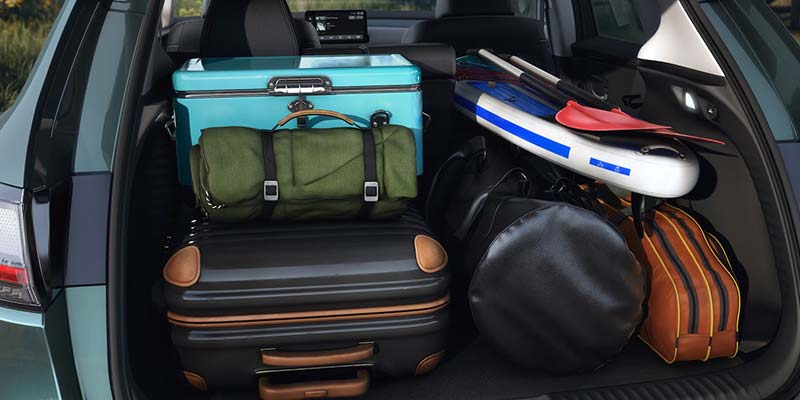
A 2026 Honda HR-V trunk displaying essentials to keep inside

Car Essentials: What Every Car Owner Should Have and Know

What are car essentials? Owning a car involves more than just driving it from point A to point B. To ensure that your vehicle runs smoothly and is prepared for any situation, there are essential items every car owner should keep in their vehicle. In addition, proper maintenance is crucial to extending the life of your car and ensuring your safety. Whether you're a new car owner or a seasoned driver, understanding what you need in your car and how to care for it can save you time, money, and potential stress down the road. At Anderson Honda, we believe in equipping our customers with the knowledge they need to maintain their vehicles and make their driving experience as smooth as possible. Below, we’ll explore key car essentials, items to keep in your vehicle, and basic maintenance tips to keep your car in top shape. Car Essentials: Items to Keep in Your Car It’s always a good idea to be prepared for the unexpected when you're on the road. Certain items can be lifesavers during emergencies or just when you're out running errands. Here are the key items every car owner should consider keeping in their vehicle: more 1. Spare Tire and Jack Kit A spare tire, along with a functional jack and lug wrench, is an absolute necessity. A flat tire can happen at any time, and having the tools to change it can prevent you from being stranded. If your car doesn't come with a spare tire, or if the spare is worn, make sure to invest in one. Important Notes: Be sure to check the tire pressure of your spare regularly to ensure it's ready to use when you need it. Tip: Some cars now come with a sealant and compressor kit instead of a full spare tire, but this may not work for every type of puncture. 2. First Aid Kit Accidents happen, and having a basic first aid kit in your car can be crucial. You don’t need to fill it with everything under the sun, but a few basic items can make all the difference in an emergency. Basic Supplies: Band-aids, antiseptic wipes, gauze pads, adhesive tape, pain relievers, and tweezers are some of the essentials. Add-ons: Consider including a pair of scissors, burn cream, and rubber gloves for more serious situations. 3. Jumper Cables Dead batteries are one of the most common reasons for vehicle breakdowns. Keeping a set of jumper cables in your trunk can allow you to quickly revive your battery or help someone else in need. Be sure that the cables are in good condition and long enough to reach the battery in both vehicles. 4. Flashlight and Extra Batteries A flashlight is invaluable if you find yourself needing to change a tire or look under the hood in low light conditions. It’s always a good idea to have a headlamp or a flashlight with spare batteries in your car. Tip: LED flashlights are more energy-efficient and provide brighter light for longer periods, making them ideal for emergency situations. 5. Water and Non-Perishable Snacks In case of a breakdown or long wait on the side of the road, it’s essential to have basic supplies like water and snacks. Pack some bottled water and granola bars, nuts, or dried fruit for energy. These items could help sustain you until help arrives or you're able to reach your destination. Basic Car Maintenance to Extend Your Vehicle’s Life Maintaining your car doesn’t have to be complicated, but regular attention to a few key components can save you from expensive repairs and headaches. Here are some simple maintenance tips every car owner should follow: 1. Regular Oil Changes Changing your vehicle’s oil regularly is one of the most important maintenance tasks you can do to extend the life of your engine. Oil lubricates the moving parts inside the engine, reducing friction and preventing damage. How Often?: Depending on the vehicle, oil should generally be changed every 3,000 to 7,500 miles. Refer to your owner’s manual for the manufacturer’s recommendation. Tip: Consider using synthetic oil for better performance and protection. 2. Check Tire Pressure Regularly Under-inflated tires can lead to poor fuel efficiency and uneven wear, while over-inflated tires may be more prone to blowouts. Regularly check your tire pressure, especially before long trips. Ideal Pressure: Check your car’s door frame or owner’s manual for the manufacturer-recommended tire pressure. Tip: Ensure that the tires are cold when you check the pressure, as tire pressure rises with heat. 3. Replace Air Filters Your car’s air filter prevents dust, dirt, and other debris from entering the engine. Over time, it can become clogged, reducing the performance of the engine and decreasing fuel efficiency. When to Replace: Check the air filter every 12,000 to 15,000 miles, or sooner if you live in an area with a lot of dust. How to Clean: If you prefer, some air filters can be cleaned, but be sure to follow the manufacturer’s instructions. 4. Brake Maintenance Brakes are one of the most important safety features of your vehicle. Check the brake pads, rotors, and fluid regularly to ensure optimal performance. When to Replace Brake Pads: Brake pads should be replaced when they are worn down to about 3mm in thickness. Tip: If you hear a squealing noise when applying the brakes, it could be an indication that the brake pads need attention. 5. Inspect Belts and Hoses Rubber belts and hoses wear over time and can lead to engine problems if they fail. A broken belt can leave you stranded, and damaged hoses can lead to coolant leaks or overheating. Visual Inspection: Regularly inspect belts and hoses for signs of wear, such as cracks, fraying, or leaks. Replacement: Most belts and hoses should be replaced every 60,000 to 100,000 miles. Other Basic Car Essentials: Knowledge While maintaining your vehicle is crucial, there are also other important things to know as a car owner to keep things running smoothly and avoid preventable breakdowns. 1. Know Your Vehicle’s Warning Lights Familiarize yourself with the dashboard warning lights in your vehicle. These lights serve as indicators for various systems in your car, such as the check engine light, oil pressure warning, battery alert, and tire pressure warning. Understanding what each light means can help you identify problems early and avoid more significant issues. Tip: Always refer to your vehicle’s owner manual to understand what each light represents. 2. Keep Track of Maintenance Schedules Most vehicles come with a recommended maintenance schedule that includes tasks like oil changes, brake inspections, tire rotations, and more. Keeping track of these services will help you stay on top of maintenance and avoid major repair issues down the road. Service Reminders: Many modern vehicles come with digital service reminders, but you can also set your own alerts through a phone app or calendar. 3. Know Where Your Car’s Emergency Kit is Stored In addition to having an emergency kit in your car, make sure you know where it is located. This will save time in an emergency situation. As a responsible car owner, keeping up with car essentials is crucial to ensure your vehicle runs efficiently and safely. Regular maintenance like oil changes, brake inspections, and tire pressure checks are key to preventing costly repairs and keeping your car in optimal condition. Don’t forget to keep emergency items like jumper cables, first aid kits, and water in your car as well. By taking these simple steps, you’ll keep your car in top shape for years to come. At Anderson Honda, we’re here to help you with any service or maintenance questions you may have. Visit us in Cockeysville, MD, and let our expert technicians assist you with everything your car needs. Stay prepared, stay safe, and keep your car running smoothly.