
Blog

All Anderson Honda New Cars Cockeysville Honda Dealer Anderson Honda Service Cockeysville Honda Service 2026 2026 CR-V 2026 CR-V Hybrid Certified Pre-Owned Cockeysville Used Cars Honda Finance Seasonal Maintenance
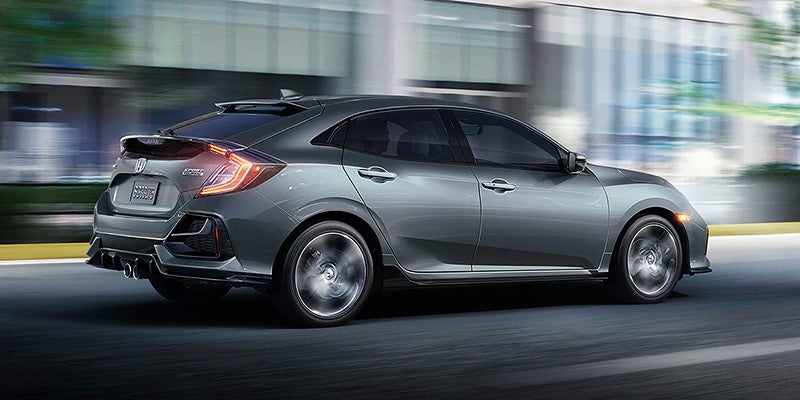
Honda Certified Pre-Owned: Your Top Questions Answered - 2021 Honda Civic Hatchback
in Certified Pre-Owned

Honda Certified Pre-Owned: Your Top Questions Answered

If you've been shopping for a used Honda around Cockeysville, Maryland and wondering whether certified pre-owned is worth it, you're not alone. Certified pre-owned vehicles come up often in buyer research, and there are plenty of common questions around what the program includes. This guide breaks it all down so you can shop with confidence. What Is Honda Certified Pre-Owned? Honda Certified Pre-Owned, also known as HondaTrue Certified, is a program that allows pre-owned Honda vehicles to be sold under a set of strict manufacturer-backed standards. Not every used Honda qualifies - vehicles must meet age and mileage requirements and pass a rigorous inspection process before earning the certified pre-owned designation. It's Honda's way of standing behind the quality of a used vehicle. more What Are the Benefits of Buying Certified Pre-Owned? One of the biggest advantages of a certified pre-owned Honda is the peace of mind it offers. You're not just buying a used car - you're buying one that has been reviewed, reconditioned, and backed by Honda. Benefits typically include a multi-point inspection, extended warranty coverage, roadside assistance, and a vehicle history report. How Does the Honda Inspection Process Work? Every CPO Honda must pass a 182-point inspection before it can be sold under the program. Trained technicians examine the vehicle from top to bottom, checking everything from the engine and transmission to the brakes, tires, and interior components. Any item that doesn't meet Honda's standards must be repaired or replaced. This comes up often because buyers want to know what's actually been looked at - and the answer is: nearly everything. What Are the HondaTrue Certified Tiers? Honda's CPO program offers two tiers: HondaTrue Certified and HondaTrue Certified+. HondaTrue Certified applies to Honda vehicles that are up to six model years old with under 80,000 miles. HondaTrue Certified+ covers newer vehicles - typically up to two model years old with fewer than 24,000 miles - and includes additional coverage benefits. What's the Difference Between Certified Pre-Owned and a Regular Used Car? A standard used car may come with no inspection, no warranty, and no manufacturer involvement. A certified pre-owned Honda, by contrast, goes through Honda's multi-point inspection, meets specific eligibility requirements, and comes with warranty coverage. What Warranty Coverage Comes With a Certified Pre-Owned Honda? Warranty coverage is one of the key reasons shoppers choose certified pre-owned over standard used vehicles. HondaTrue Certified vehicles typically come with a limited powertrain warranty and a 7-year/100,000-mile powertrain coverage from the original sale date, depending on the tier. Roadside assistance is also included. These protections can save you significantly on unexpected repair costs down the road. Visit Anderson Honda to Explore Certified Pre-Owned Options If you have more questions about the program or you're ready to browse available inventory, the team at Anderson Honda is here to help. Certified pre-owned Hondas offer a smart path to reliable, inspected, and warranty-backed vehicles at a more accessible price point. Stop by or schedule a test drive to explore what's currently available and find the right fit for your needs.
Read More
Winter Maintenance Guide: Essential Steps to Prepare Your Honda for Cold Weather

Winter Maintenance Guide: Essential Steps to Prepare Your Honda for Cold Weather

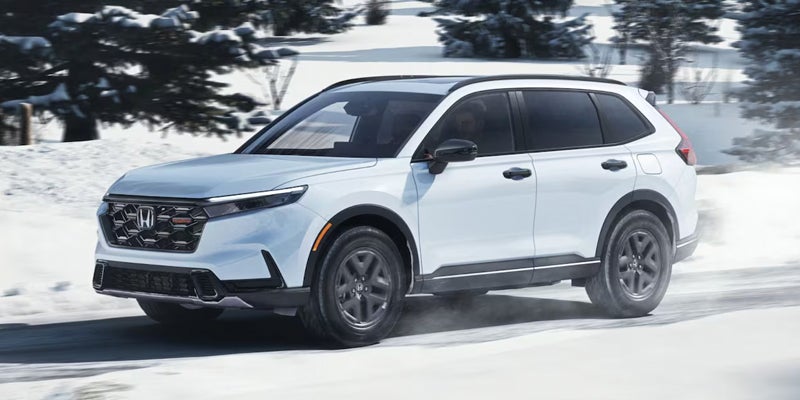
Cold weather can create new challenges for your vehicle, from lower temperatures affecting engine fluids to changing road conditions requiring additional preparation. Completing seasonal maintenance before winter arrives can help keep your Honda performing properly through colder months. At Anderson Honda in Cockeysville, MD, we help drivers understand the importance of winter vehicle maintenance, including checking antifreeze levels, inspecting tires, servicing batteries, and preparing essential vehicle systems for cold-weather driving. A reliable winter maintenance routine can help support your Honda’s performance, comfort, and dependability when temperatures drop. Whether you drive a Honda Civic for daily commuting, a Honda CR-V for family transportation, or a Honda Pilot for additional space, seasonal preparation is an important part of responsible vehicle ownership. Why Winter Vehicle Maintenance Matters Cold temperatures can impact several areas of your vehicle. Engine fluids may become less effective in extreme conditions, batteries can lose power more quickly, and tires may experience reduced traction on wet, icy, or snow-covered roads. more Winter maintenance helps drivers prepare for: Colder temperatures Reduced road traction Increased vehicle system demands Longer warm-up periods Changing driving conditions Preparing your Honda before winter arrives can help identify potential concerns early and ensure important components are ready for seasonal driving. Check and Maintain Your Honda’s Antifreeze and Coolant One of the most important winter maintenance tasks is checking your vehicle’s antifreeze, also known as engine coolant. Antifreeze helps regulate engine temperature and prevents the coolant system from freezing during cold weather. A properly maintained coolant system helps: Protect the engine from freezing temperatures Support proper engine temperature regulation Prevent overheating Maintain efficient operation Drivers should check coolant levels regularly and follow Honda’s recommended maintenance schedule for coolant inspections and replacement. It is also important to use the correct coolant type recommended for your specific Honda model. Using the wrong coolant or mixing incompatible coolant types may affect cooling system performance. Winter Battery Maintenance Cold weather can place additional strain on your vehicle’s battery. Lower temperatures can reduce battery performance, making it harder for the engine to start. Before winter driving begins, consider having your battery inspected for: Battery charge level Corrosion around terminals Signs of wear Proper electrical performance A battery inspection is especially important if your vehicle is older or if you notice slower engine starts. Check Your Tires for Winter Driving Conditions Your tires play an important role in maintaining traction and control during winter weather. Cold temperatures can affect tire pressure, and worn tires may provide reduced grip on slippery roads. Winter tire maintenance should include: Checking tire pressure Inspecting tread depth Looking for uneven wear Rotating tires as recommended Confirming proper alignment Properly maintained tires help support handling, braking, and overall driving confidence during changing weather conditions. Winter Windshield Wiper and Wiper Fluid Maintenance Winter weather often brings rain, snow, ice, and road spray that can reduce visibility. Maintaining your windshield cleaning system helps keep your view clear. Before winter arrives, inspect: Windshield wiper condition Washer fluid levels Washer fluid freeze protection rating Windshield washer spray performance Replacing worn wiper blades can help improve visibility during storms and wet driving conditions. Inspect Your Brakes Before Winter Brake performance is important throughout the year, but winter conditions can make stopping distances more challenging. Drivers should have their brake system inspected if they notice changes in performance. Common brake warning signs include: Squealing or grinding noises Brake pedal changes Longer stopping distances Vehicle pulling while braking Routine brake inspections help ensure your Honda is prepared for changing road conditions. Check Your Vehicle Fluids Several vehicle fluids play an important role in winter operation. Before temperatures drop, inspect fluid levels and follow recommended maintenance intervals. Important fluids to check include: Engine oil Antifreeze and coolant Brake fluid Transmission fluid Windshield washer fluid Using the correct fluids helps support proper vehicle operation and long-term performance. Heating and Defrost Systems Winter Maintenance A properly functioning heating and defrost system helps maintain comfort and visibility during winter driving. Before colder weather arrives, check: Cabin heater performance Front and rear defrosters Climate control operation Airflow from vents A functioning defrost system helps clear frost, fog, and condensation from windows. Prepare Your Honda Emergency Kit Winter driving conditions can change quickly. Keeping an emergency kit in your vehicle can help you stay prepared during unexpected situations. A winter vehicle emergency kit may include: Flashlight Blankets Gloves Ice scraper Jumper cables First-aid supplies Bottled water Basic tools Drivers who frequently travel longer distances may want to include additional supplies based on their driving habits and local conditions. Schedule Honda Winter Maintenance at Anderson Honda Regular maintenance is an important part of preparing your vehicle for every season. Winter service helps ensure essential systems, fluids, and components are ready for colder temperatures. At Anderson Honda in Cockeysville, MD, our service team can help inspect your Honda and address seasonal maintenance needs. From coolant checks and battery inspections to tire service and fluid maintenance, we provide the support needed to help keep your vehicle ready for winter driving. Frequently Asked Questions About Winter Car Maintenance How often should I check my antifreeze before winter? Antifreeze levels should be checked regularly as part of routine vehicle maintenance. Drivers should follow their Honda’s recommended maintenance schedule for coolant inspections and replacement. What does antifreeze do in a vehicle? Antifreeze helps regulate engine temperature and protects the cooling system from freezing in cold conditions. It also helps support proper engine operation throughout changing temperatures. Can cold weather affect my car battery? Yes. Cold temperatures can reduce battery performance and make starting the engine more difficult. Having your battery inspected before winter can help identify potential issues. Should I change my oil before winter? Following your Honda’s recommended oil change schedule is important throughout the year. Fresh engine oil helps support proper lubrication and engine performance in different driving conditions. Do I need winter tires in Maryland? Winter tires may benefit some drivers depending on driving habits, road conditions, and local weather patterns. Drivers should evaluate their tire needs based on how and where they typically travel. How do I prepare my Honda for snow and ice? Preparing your Honda for winter includes checking antifreeze, inspecting tires, testing the battery, maintaining windshield visibility, checking fluids, and ensuring heating and defrost systems work properly. How can I improve visibility while driving in winter? Drivers can improve winter visibility by replacing worn wiper blades, maintaining proper washer fluid levels, keeping windows clear, and ensuring defrost systems function correctly. What should I keep in my car during winter? A winter emergency kit may include items such as an ice scraper, flashlight, jumper cables, blankets, gloves, and basic supplies to help during unexpected situations.

Honda Coolant FAQ: The Overlooked Fluid That Protects Your Entire Engine

Honda Coolant: The Overlooked Fluid That Protects Your Entire Engine

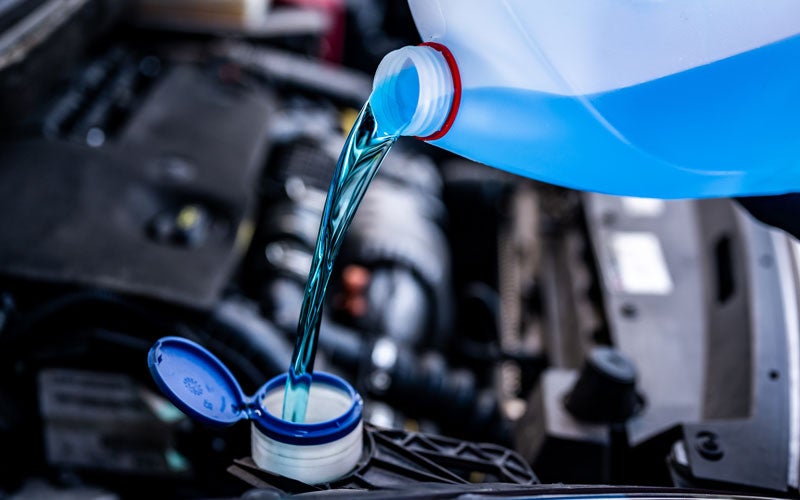
Modern vehicle design is full of sophisticated engineering, from advanced safety systems to turbocharged powertrains. Yet one of the most important components in your Honda remains a simple liquid flowing through a network of passages, hoses, and radiators. Coolant rarely receives much attention until a warning light appears or an engine begins running hot. By then, the conversation has usually become far more expensive. For Honda owners in Cockeysville, MD, understanding the cooling system and maintaining it properly can help prevent overheating, reduce component wear, and support long-term engine reliability. Why Coolant Matters More Than Most Drivers Realize An engine generates tremendous amounts of heat every time it operates. Without an effective cooling system, temperatures would rise quickly beyond safe operating limits. Coolant circulates through the engine, absorbing heat before carrying it to the radiator, where that heat is released into the air. The process sounds simple, but it is fundamental to the health of the entire powertrain. more Beyond temperature control, coolant also protects metal components from corrosion and helps preserve seals, hoses, and gaskets throughout the cooling system. It is one of the few maintenance items that affects both performance and longevity at the same time. Close Relation to Antifreeze Many drivers use the terms interchangeably, though there is a slight difference. Antifreeze is the concentrated chemical formula, typically made with ethylene glycol or propylene glycol. Coolant is the mixture created when antifreeze is blended with water, often in a 50/50 ratio, and installed in the vehicle. That mixture allows the cooling system to perform effectively in both hot summers and cold winters while helping prevent freezing, boiling, and corrosion. Not Every Coolant Belongs in Every Vehicle One of the most common mistakes drivers make is assuming all coolant products are essentially the same. Different manufacturers engineer their cooling systems around specific coolant formulations. Honda recommends Honda Long Life Antifreeze/Coolant Type 2, a blue HOAT (Hybrid Organic Acid Technology) developed specifically for Honda vehicles. Using the wrong type can reduce corrosion protection and create compatibility issues within the cooling system. When in doubt, always consult your owner's manual or speak with a Honda service professional before adding fluids to the system. When Should Coolant Be Flushed or Refilled? Unlike engine oil, coolant does not require frequent replacement. Still, it does not last forever. Over time, the protective additives within the coolant begin breaking down. As that happens, the fluid becomes less effective at controlling corrosion and maintaining proper operating temperatures. Many Honda vehicles require coolant replacement around every five years or 45,000 miles, though exact intervals vary by model and driving conditions. A cloudy appearance, discoloration, visible leaks, or higher-than-normal operating temperatures can all indicate that service may be needed sooner. A simple refill may be appropriate when coolant levels are low and the fluid remains clean. A full flush becomes necessary when the fluids have aged beyond the recommended service life or shows signs of contamination. What Happens During a Fluid Flush? A coolant flush removes old fluid from the cooling system before replacing it with fresh coolant. During the service, technicians often inspect related components such as hoses, radiator connections, the radiator cap, and the water pump. This inspection can help identify small concerns before they develop into larger repairs. More importantly, fresh coolant restores the system's ability to manage heat effectively and maintain proper protection throughout the engine and cooling system. Schedule Honda Cooling System Service in Cockeysville, MD Coolant may not receive the same attention as oil changes or tire replacements, but its role is every bit as important. Maintaining the proper fluid levels and following recommended service intervals can help protect your Honda for years to come. If you are unsure when your coolant was last serviced, the team at Anderson Honda can inspect your cooling system, perform a flush if needed, and help keep your vehicle operating at its best throughout every season in Maryland.

GAP Insurance FAQ: What Every Honda Buyer Should Know Before Signing 

GAP Insurance FAQ: What Every Honda Buyer Should Know Before Signing

If you finance or lease a vehicle at Anderson Honda in Cockeysville, MD, you may hear about GAP insurance. This guide explains what it is and how it helps drivers. Many shoppers choose this coverage to protect their financial interests during the car buying process. You can reach out to our team for more information about your specific needs. What Is GAP Insurance? GAP insurance stands for Guaranteed Asset Protection. It is a type of extra coverage that pays the difference between your auto insurance payout and your remaining loan balance. This applies if your car is totaled or stolen. Standard insurance pays the market value of the vehicle. Cars lose value over time, and sometimes they lose value faster than you pay off the loan. If you owe more than the car is worth, you are responsible for the balance. GAP covers that 1st cost so you do not pay out of pocket. more How Does GAP Insurance Work? The process is simple for most drivers. If a vehicle is a total loss due to an accident or theft, the primary insurance company issues a settlement. This settlement is based on the cash value of the car. You then submit a claim to the GAP provider for the rest of the loan balance. Most people buy this coverage during the financing stage at the dealership. It is useful during the early years of a loan when the vehicle value drops quickly. Drivers in Cockeysville, MD can ask about these options during a finance appointment. What Does GAP Insurance Cover? GAP insurance covers the difference between the amount owed on your car loan or lease and the actual cash value (ACV) of your vehicle in the event of a total loss, such as theft or an accident. For example, if your car is worth $15,000 but you still owe $18,000 on your loan, GAP would cover the $3,000 difference, ensuring you're not left paying for a car you no longer have. It can also apply if your car is totaled and your insurance payout is less than the loan balance. However, it does not cover things like your insurance deductible, missed payments, or the cost of repairs. Can I Cancel GAP Insurance? You can cancel GAP insurance in most cases. If your loan balance is lower than the market value of the vehicle, the coverage is no longer needed. To cancel, contact the provider or the dealership finance department. You may receive a prorated refund if you cancel early. If you refinance your car, the policy might not transfer to the 2nd loan. Is GAP Insurance Required? GAP insurance is not a legal requirement. Some lenders require it for specific lease or finance terms. This is common if you make a small down payment or have a long loan term. If you finance a 2026 Honda Accord or Civic for 60 months, this coverage can provide peace of mind. Understanding finance options is an important part of the process. The finance team at Anderson Honda in Cockeysville, MD can explain the terms of GAP insurance and help you decide if it fits your budget. Visit Anderson Honda in Cockeysville, MD to learn more about our inventory and protection plans.

The 2026 Honda CR-V Hybrid: Balance of Efficiency and Everyday Adventure 

The 2026 Honda CR-V Hybrid: Balance of Efficiency and Everyday Adventure

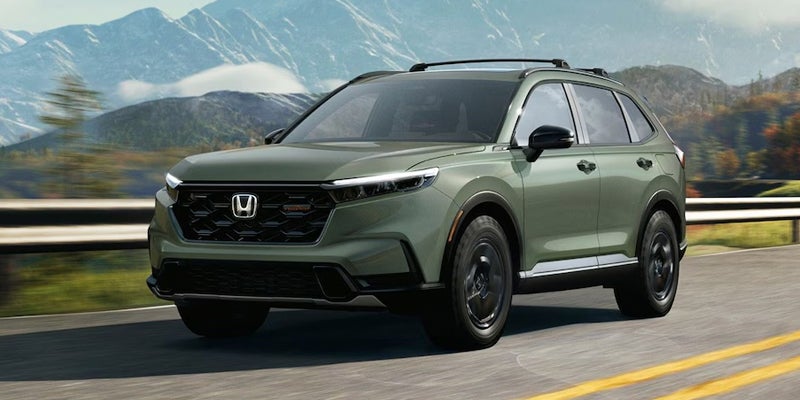
The 2026 Honda CR-V Hybrid does not attempt to reinvent the compact SUV. Instead, it improves it with confidence. It is the kind of SUV that understands what most drivers need, then delivers it with clarity and purpose. For drivers in and around Cockeysville, that means a compact SUV that feels equally at home in weekday traffic and on a weekend drive beyond it. Check out our new and used inventory to see if we have your perfect Honda on the lot. Technology That Feels Integrated, Not Added The latest updates to the CR-V Hybrid focus on making technology feel like part of the experience rather than an interruption. Google built-in, available on select trims, brings familiar tools like Google Maps and Google Assistant directly into the system. It reduces reliance on your phone and keeps navigation and connectivity where you expect them to be. more There is also a practical side to the updates. The hands-free access power tailgate, available on higher trims, simplifies loading when your hands are full. It is a small detail, but one that quickly becomes part of your routine. The TrailSport Hybrid trim introduces a more rugged character. All-terrain tires and subtle design changes give it a slightly more adventurous tone without overcommitting it. Performance That Prioritizes Smoothness The CR-V Hybrid’s two-motor system produces 204 hp, but the focus here is not outright speed. It is smooth, consistent delivery. Acceleration feels linear. Power builds without effort. Around town, it moves with a calm assurance that suits daily driving. On longer routes, it maintains that composure without becoming tiring. Efficiency remains a key strength, with up to 40 mpg in city driving. For many drivers, that translates into fewer stops and a more relaxed ownership experience. Available Real Time AWD™ adds another layer of confidence. It works quietly in the background, adjusting traction as conditions change without demanding attention. Utility That Matches Real Life The CR-V Hybrid is not positioned as a heavy-duty vehicle, but it understands everyday utility well. Cargo space reaches up to 76.5 cu. ft., and the layout makes it easy to use. The rear seats fold cleanly, opening space for luggage, gear, or larger items without complication. The TrailSport Hybrid trim adds practical touches like roof rails, making it easier to carry bikes or outdoor equipment. It is not about extremes. It is about making everyday tasks easier. An Interior That Feels Considered Available leather-trimmed seating adds a premium touch, while dual-zone automatic climate control keeps the environment comfortable for everyone inside. The layout is clean, with controls placed where they are expected to be. A 10.2-inch digital instrument cluster provides clear, useful information without overwhelming the driver. It complements the rest of the cabin rather than competing for attention. For those who value audio quality, the available Bose® premium sound system delivers a well-balanced listening experience, whether on a short drive or a longer journey through Maryland. Trims That Reflect Different Priorities The CR-V Hybrid lineup offers a range of trims, each with a slightly different focus. The Sport Hybrid introduces a more dynamic appearance with gloss-black accents and a confident stance. The TrailSport Hybrid leans toward versatility, adding features suited for light outdoor use. The Sport Touring Hybrid brings in the most advanced technology and comfort features, creating a more refined experience overall. The 2026 Honda CR-V Hybrid succeeds by doing the fundamentals well. It is efficient without feeling limited, practical without feeling plain, and refined without becoming complicated. Schedule a test drive online or visit Anderson Honda to explore how the CR-V Hybrid fits into the way you drive every day.

2026 Honda CR-V Everyday Versatility and Family Comfort 

2026 Honda CR-V Everyday Versatility and Family Comfort

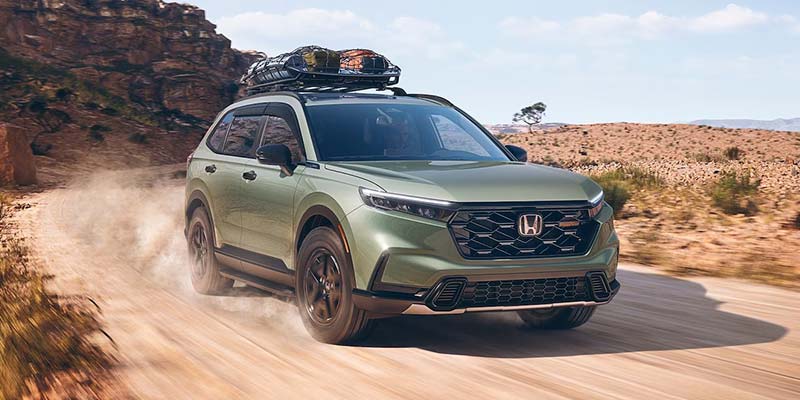
Most families don’t shop for an SUV because they want something exciting. They shop because life gets busy. That’s where the 2026 Honda CR-V quietly makes sense. Around Cockeysville, MD, drivers are drawn to its balance of practical usability, modern technology, and just enough style to feel proud pulling into the driveway. Exterior Capability and Flexible Cargo Solutions for Real Life The CR-V’s design feels purposeful rather than over-the-top. A long wheelbase and wide stance help create a planted, confident look on the road, while available roof rails expand carrying potential for bikes, kayaks, or family travel gear. The available hands-free power tailgate becomes especially useful on busy days when both hands are full. more Inside, cargo capacity reaches up to 76.5 cu. ft. with the rear seats folded, giving families room to adapt quickly to changing plans. Hybrid TrailSport trims introduce Real Time AWD™ and all-terrain tires that add confidence for drivers who occasionally venture beyond paved streets around Maryland bush country. 2026 Honda CR-V Interior Comfort and Technology Step into the cabin and the CR-V immediately feels welcoming. Body-stabilizing front seats help reduce fatigue during longer drives, while available leather-trimmed upholstery adds a sense of refinement without feeling excessive. Technology is integrated thoughtfully. An available 10.2-inch digital driver display works alongside a standard 9-inch touchscreen featuring wireless Apple CarPlay® and Android Auto™ connectivity. Dual-zone climate control keeps passengers comfortable during seasonal shifts, and available heated seating and a heated steering wheel make early mornings far more manageable. Driver Assistance and Hybrid Efficiency for Modern Ownership The CR-V continues to prioritize safety through the Honda Sensing® suite. Features such as Adaptive Cruise Control with Low-Speed Follow, Lane Keeping Assist System, and Collision Mitigation Braking System™ help reduce stress during heavy traffic or longer journeys. Hybrid trims produce about 204 hp while delivering impressive efficiency ratings near 40 mpg in city driving conditions. For families in Cockeysville balancing fuel costs with everyday mobility (especially now), this combination of performance and economy feels especially relevant. Experience the 2026 Honda CR-V firsthand at Anderson Honda in Cockeysville, MD. Visit us to explore its spacious interior, flexible cargo solutions, and advanced technology features. Our team is ready to help you discover how the CR-V can seamlessly fit into your family’s daily routines and weekend adventures. Schedule a test drive today and see for yourself how the 2026 Honda CR-V can enhance your driving experience!

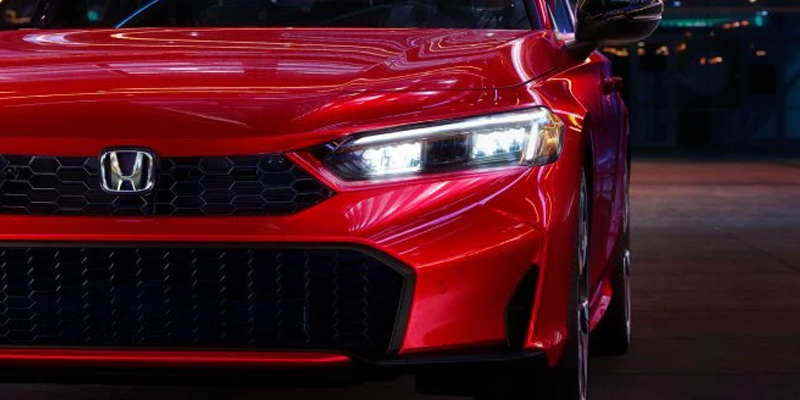
A 2026 Honda Civic Sedan in Rallye Red

The 2026 Honda Civic Sedan: Reliability Meets Versatility

The 2026 Honda Civic Sedan has a reputation to uphold. Known for its reliability and versatility, this latest model combines cutting-edge technology, a sleek design, and impressive performance. Whether you're navigating the streets of Cockeysville, Maryland, or embarking on a road trip, the Civic Sedan is designed to meet your needs with style and efficiency. Performance That Excites The 2026 Honda Civic Sedan’s base model is powered by a 2.0L 4-cylinder engine making about 150 hp and 133 lbs.-ft. of torque, sent to the front wheels through a Continuously Variable Transmission for smooth daily driving but modest acceleration. Available hybrid versions bump total output to around 200 hp and 232 lbs.-ft., offering noticeably quicker acceleration, while still delivering excellent fuel economy. more The Civic Sedan also features a 4-mode drive system, allowing you to switch between ECON, Sport, Individual, and Normal modes to match your driving preferences. With its sporty suspension and responsive handling, every turn feels exciting. Interior Comfort and Advanced Technology Step inside the 2026 Honda Civic Sedan, and you'll find a cabin designed for both comfort and connectivity. The spacious interior seats 5 passengers comfortably, with available leather-trimmed seats and an 8-way power driver seat for added luxury. Dual-zone climate control ensures that both driver and passengers can enjoy their ideal temperature settings. Technology takes center stage with features like Google built-in, wireless Apple CarPlay®, and Android Auto™ compatibility. These systems make it easy to navigate, stream music, or stay connected while on the go. The available Bose® Premium Sound System with 12 speakers ensures an immersive audio experience for every journey. Safety You Can Trust Reliability isn't just about performance—it's also about safety. The 2026 Honda Civic Sedan comes equipped with the Honda Sensing® suite of safety features, including Collision Mitigation Braking System™, Road Departure Mitigation System, Adaptive Cruise Control with Low-Speed Follow, and Lane Keeping Assist System. These advanced systems work together to provide peace of mind on every drive. Additional features like the Blind Spot Information System and Rearview Camera with Dynamic Guidelines further enhance your awareness of your surroundings, making the Civic Sedan a top choice for families and commuters alike. Stylish Design Meets Practicality The exterior of the 2026 Honda Civic Sedan is as functional as it is stylish. Its aerodynamic design not only turns heads but also improves fuel efficiency. Standard LED headlights and taillights provide excellent visibility while adding a modern touch to its appearance. For those who love customization, Honda Genuine Accessories like gloss-black emblems, splash guards, and contoured high-wall carpet floor mats allow you to personalize your Civic Sedan to match your style. The 60/40 split rear seatback adds versatility by making it easy to transport larger items when needed. At Anderson Honda in Cockeysville, MD, we’re proud to offer the 2026 Honda Civic Sedan—a vehicle that perfectly balances reliability, versatility, and modern innovation. Whether you're looking for a dependable daily driver or a stylish sedan with advanced features, the Civic Sedan is ready to exceed your expectations.

A firm handshake after financing a car

How to Finance a Car: Essential Tips and FAQs

Financing a car can feel like navigating uncharted terrain, but it doesn't have to be daunting. If you're considering purchasing a car in Cockeysville, Maryland, understanding how to finance it can make the process smoother and more efficient. From the approval process to budgeting and gap insurance, this guide will equip you with the knowledge you need for a confident car-buying experience. Car Financing FAQ: Your Questions Answered When it comes to how to finance a car, several common questions arise. What does financing mean? Simply put, financing allows you to spread the cost of a vehicle over time through monthly payments, typically with interest. more Another frequent inquiry involves Honda financing options. Many dealerships, including those offering Honda vehicles, provide tailored financing programs to fit different budgets and credit scores. It's worth exploring these options to find the best fit for your needs. Additionally, buyers often wonder about trade-ins. If you’re trading in your current vehicle, its value can often be applied toward your down payment, reducing the overall amount you’ll need to finance. The Car Financing Process: How It Works The process of how to finance a car begins with selecting a vehicle and determining your budget. After that, you’ll work with the dealership or lender to secure a loan. Here's a breakdown: 1. Choose Your Lender: This could be a bank, credit union, or in-house financing through the dealership. For example, many Honda dealerships offer Honda financing programs with competitive rates. 2. Apply for Credit Approval: Your credit score plays a significant role here. Lenders use your credit score to assess the risk and determine your interest rate. 3. Review Loan Terms: Once approved, review the terms, including the loan duration, monthly payment amount, and any additional fees or conditions. In Cockeysville, MD, customers often find that local dealerships provide personalized service to make this process as seamless as possible. Credit Score and Approval: What You Need to Know Your credit score is a crucial factor when learning how to finance a car. Generally, the higher your score, the better the interest rates you’ll qualify for. A score above 700 is typically considered good, but don’t fret if your score is lower—many lenders offer options for varying credit profiles. Pre-approval can also simplify the process. By applying for financing before visiting the dealership, you’ll have a clear understanding of your budget and loan terms. This step can give you more negotiating power and confidence. When Do Payments Start, and How Do You Budget? Once your loan is finalized, your first payment is usually due within 30 days. Understanding how to finance a car also means planning your budget carefully. Start by calculating all associated costs, including: - Monthly loan payments - Insurance premiums - Taxes and registration fees It’s also wise to account for maintenance costs. When budgeting, remember that Honda financing options may include additional perks, such as maintenance plans or extended warranties, which can help you manage long-term expenses. The Role of Gap Insurance Gap insurance is an optional but highly recommended component of how to finance a car. If your vehicle is totaled or stolen, gap insurance covers the difference between the car’s value and the amount you owe on the loan. This coverage is especially useful for buyers who make small down payments or choose longer loan terms. Whether you’re financing a brand-new Honda or any other vehicle, including gap insurance can provide valuable peace of mind during your ownership journey. Pre-Approval: A Smart First Step Pre-approval is a powerful tool when learning how to finance a car. By getting pre-approved for a loan, you’ll know your exact spending limit before stepping onto the dealership lot. It can also streamline negotiations, as you’ll already have a financing plan in place. Many dealerships in Cockeysville, MD, including those offering Honda financing, allow you to apply for pre-approval online. This convenient option saves time and ensures you’re prepared to make informed decisions. For drivers in Cockeysville, MD, taking the time to research and prepare makes all the difference. Whether you’re buying your first car or upgrading to a new model, financing provides the flexibility to drive the vehicle you’ve always wanted. Ready to get started? Visit Anderson Honda to explore your financing options today!"

A first time car buyer about to take a test drive

First Time Buyer FAQ: Your Guide to Buying a Car

Purchasing your first car is an exciting milestone, but it can also feel overwhelming if you’re unfamiliar with the process. Whether you’re a first time buyer exploring options in Cockeysville, MD, or just need guidance, understanding the steps and decisions involved will make the experience much smoother. At Anderson Honda, we’re here to make your journey into vehicle ownership easy and enjoyable. FAQ for First Time Buyers For anyone taking the plunge into car ownership, knowing what questions to ask can set the foundation for an informed purchase. Here are some common concerns for first-time buyers: - What documents do I need? Be prepared with your driver’s license, proof of insurance, and financial details. more - What’s the best type of vehicle for a first-time buyer? It depends on your lifestyle, but compact sedans like the Honda Civic or versatile SUVs like the Honda CR-V are popular. - Should I test drive the car? Absolutely! A test drive helps you gauge comfort and performance. If you’re buying your first car, starting with a reliable brand like Honda ensures peace of mind, thanks to their reputation for durability and quality. What to Look for in a Vehicle When buying a car, especially as a first-time buyer, focus on these key factors: - Safety Features: Look for modern essentials like adaptive cruise control, lane-keeping assist, and advanced air bags. Models like the 2026 Honda CR-V Hybrid come equipped with Honda Sensing® technologies for added protection. - Fuel Efficiency: Choosing a fuel-efficient vehicle, such as the Honda Civic Sedan Hybrid, can save you money over time. - Resale Value: Hondas are known to hold their value, making them a smart investment whether you choose new or used. These considerations ensure your purchase aligns with your needs now and in the future. New vs. Used: Which is Right for You? Deciding between a new or pre-owned vehicle is a significant step in the car-buying process. - New Cars: Opting for a new car gives you access to the latest features, warranties, and that unbeatable “new car” feeling. For example, the 2026 Honda Pilot is perfect for adventurous drivers. - Used Cars: Certified Pre-Owned (CPO) Hondas at Anderson Honda provide the assurance of quality with lower upfront costs. These vehicles undergo rigorous inspections and come with extended warranties. If you’re unsure, visiting a trusted dealership like Anderson Honda in Cockeysville, MD, can help you weigh the pros and cons. Financing Basics Understanding financing is essential for first-time buyers. Here are some basics to get you started: - Down Payment: A larger down payment reduces your monthly obligations. - Loan Term: Shorter loan terms often mean higher monthly payments but less interest paid overall. - Credit Score: Your credit score impacts your loan options; if it’s your first car, consider building your credit before applying. Anderson Honda offers financing solutions tailored to first-time buyers, making it easier to navigate this aspect of the process. How the Car Buying Process Works Understanding the steps in the car-buying process can help first-time buyers feel more confident: 1. Research: Identify your needs and compare models. 2. Visit the Dealership: Anderson Honda in Cockeysville, MD, offers a no-pressure environment to explore vehicles in person. 3. Test Drive: Take your top choices for a spin to ensure they meet your expectations. 4. Review Financing Options: Work with the dealership’s finance team to secure a plan that fits your budget. 5. Complete the Purchase: Sign the paperwork, and you’re ready to drive away in your new car! This straightforward process ensures first-time buyers can transition into ownership with ease. Make Your First Car-Buying Experience Memorable At Anderson Honda, we’re dedicated to helping first-time buyers in Cockeysville, MD, find the perfect vehicle. Whether you’re drawn to the efficient Honda Accord Hybrid or the rugged Honda Passport, our team provides expert guidance every step of the way. Buying your first car is a big step, but with the right preparation and support, it can also be one of the most rewarding. Visit Anderson Honda today and let us help you on your journey!

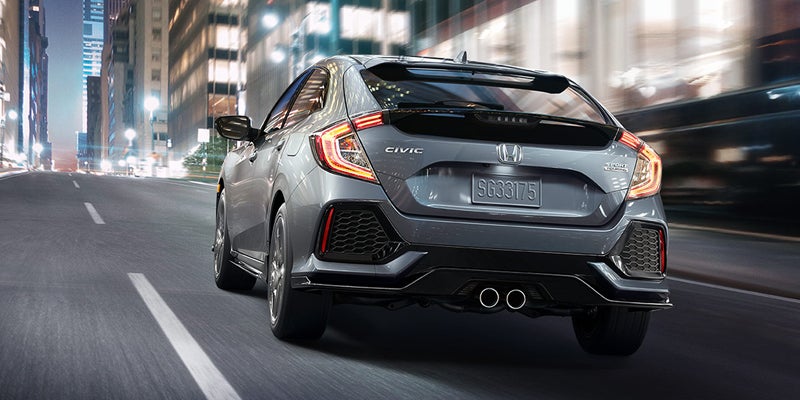
2019 Honda Civic Hatchback - Are Hondas Reliable? How Long Do Hondas Last?

Are Hondas Reliable? How Long Do Hondas Last?

For drivers in Cockeysville, MD, reliability is often one of the most important factors when choosing a vehicle. Honda is a brand that consistently stands out in this category thanks to decades of strong engineering, durable construction, and proven long-term performance. This raises an important question: Are Hondas reliable? Across the industry, Honda vehicles have earned a reputation for exceptional longevity, often remaining on the road for well over a decade with proper care. Why Are Hondas So Reliable? Honda’s reliability comes from a commitment to precision engineering and consistent build quality. The company’s powertrains are widely recognized for long-term durability, with engines in popular models such as the Accord, Civic, and CR-V frequently running well past high-mileage milestones. Honda’s manufacturing approach focuses on structural integrity, efficient design, and high-quality components, which helps reduce premature wear. more Extensive testing and quality-control processes also contribute to Honda’s reputation. From chassis design to advanced safety systems, Honda engineers each model for strong performance under everyday driving demands. Many Honda vehicles include systems that help drivers stay aware of maintenance needs, further supporting long-term dependability. Average Lifespan of a Honda Many Honda vehicles can surpass 200,000 miles with consistent maintenance, and it is common to see well-kept models exceed that benchmark. Sedans like the Accord and Civic, along with SUVs such as the CR-V and Pilot, are often highlighted in long-term ownership studies for their ability to maintain reliability deep into their lifespan. Several key factors influence longevity. Routine maintenance following Honda’s recommended service schedule supports engine and transmission health. Smooth driving habits help reduce stress on key components. Honda’s overall build quality also plays an important role, as its models are engineered to withstand high-mileage use while retaining dependable performance. Honda Models Known for Reliability Across the lineup, many Honda models have become well-known for durability. The Accord and Civic have both earned long-standing reputations for dependable performance, often ranking among the longest-lasting sedans on the road. In the SUV segment, the CR-V and Pilot offer family-friendly versatility paired with engineering designed for long-term use. Honda’s hybrid models, such as the Accord Hybrid and CR-V Hybrid, provide fuel-efficient performance while still aligning with Honda’s emphasis on longevity and quality. The HR-V offers compact versatility, and the Ridgeline combines everyday comfort with truck capability, giving drivers a wide range of durable options for commuting and travel. Discover the Long-Term Value of Honda Vehicles With proper care and maintenance, Honda vehicles can deliver outstanding longevity, often reaching or exceeding 200,000 miles. From the Civic and Accord to the CR-V and Pilot, each model reflects Honda’s dedication to engineering dependable, long-lasting vehicles. Drivers in Cockeysville, MD can explore these trusted options and experience firsthand why Honda remains one of the industry’s most reliable brands. Visit Anderson Honda to learn more and find a Honda that will support your driving needs for the long road ahead.

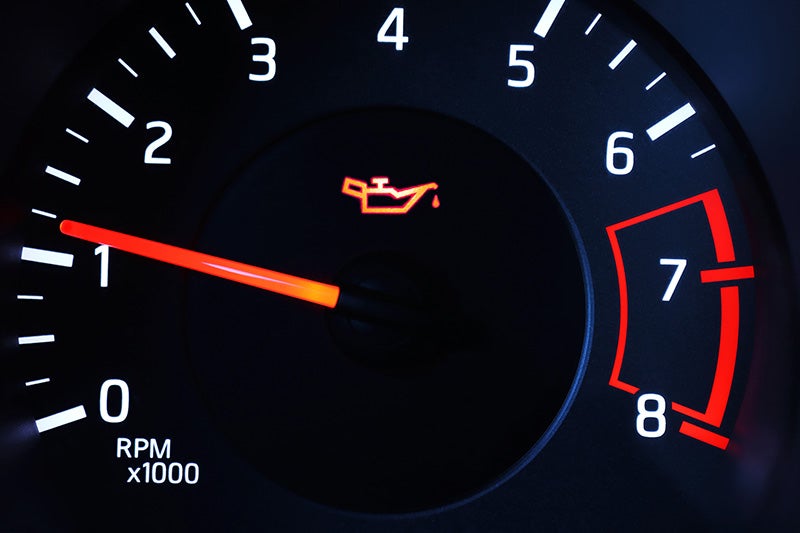
A close up of a vehicle dashboard with the check oil light on

What to Do When the Oil Light Comes On in Your Honda Vehicle

The oil light coming on in your Honda vehicle can be alarming, but it’s not always a reason to panic. While it’s crucial to address the issue promptly, understanding what the oil light signifies and how to respond can prevent unnecessary stress and potentially costly repairs. At Anderson Honda in Cockeysville, MD, we want to help you stay informed about vehicle maintenance so you can keep your Honda running smoothly for years to come. Understanding the Oil Light Indicator in Your Honda The oil light in your Honda vehicle is part of the vehicle's dashboard warning system designed to alert you to potential issues with the engine oil. There are generally two types of oil-related warning lights: more Oil Pressure Light: This light indicates that the oil pressure in your engine is low. Oil pressure is crucial for proper lubrication, and if it drops too low, it can lead to engine damage. If you see this light, it's important to stop driving and check the oil levels immediately. Oil Change Reminder: Some Honda models come equipped with a maintenance reminder system that illuminates when it’s time for an oil change. This light doesn't necessarily indicate a problem but serves as a reminder that it’s time to perform routine maintenance. Understanding the difference between these two lights can help you take the appropriate action when one of them appears on your dashboard. Why Is the Oil Light On? Common Causes When the oil light illuminates, it can be due to a few different factors. Let’s break down the most common reasons: 1. Low Oil Level One of the simplest explanations for an oil light coming on is that your engine oil level is low. As the oil level drops, the oil pump may struggle to maintain the right pressure, triggering the warning light. Low oil can be caused by leaks, consumption by the engine, or failing to check the oil regularly. 2. Poor Oil Quality Over time, engine oil breaks down and loses its ability to lubricate effectively. If the oil has become too dirty or has degraded, it can affect engine performance and lead to a drop in oil pressure. An oil change is essential to maintain the oil’s efficiency. 3. Oil Pump Failure The oil pump circulates the oil throughout the engine. If the pump fails or becomes clogged, oil may not flow properly, causing low oil pressure. This could be a serious issue requiring immediate attention. 4. Worn-Out Engine Components Over time, components inside the engine, such as bearings or seals, can wear out, causing oil leaks or a decrease in oil pressure. This can trigger the oil light and may require more extensive repairs. 5. Faulty Oil Pressure Sensor Sometimes, the problem isn’t with the oil at all but with the oil pressure sensor itself. A malfunctioning sensor can send incorrect readings, illuminating the oil light unnecessarily. If this is the case, the issue is typically less urgent but should still be addressed by a professional technician. What Should You Do When the Oil Light Comes On? If the oil light appears on your Honda’s dashboard, it’s important to take immediate action to prevent further damage to your engine. Here’s what you should do: 1. Pull Over and Turn Off the Engine If you’re driving when the oil pressure light comes on, it’s crucial to pull over to a safe location as soon as possible. Continuing to drive with low oil pressure can cause serious engine damage. Once stopped, turn off the engine to prevent further damage. 2. Check the Oil Level After turning off the engine, wait for it to cool down before checking the oil level using the dipstick. If the oil level is low, add the recommended oil type for your specific Honda model. If the oil is dark or gritty, it's time for an oil change. 3. Inspect for Leaks If your oil level is low, check for any visible oil leaks underneath the vehicle. Leaks can occur due to worn-out seals or gaskets. If you find a leak, it’s best to have a professional inspect and repair it. 4. Call for Professional Help If adding oil doesn’t turn the light off, or if the oil light remains on after an oil change, it’s time to schedule a visit to a Honda service center. A trained technician at Anderson Honda will be able to diagnose and address the issue, whether it’s a faulty oil pressure sensor, a failing oil pump, or something else. When to Change Your Honda’s Oil Routine oil changes are essential for keeping your engine running smoothly. For most Honda models, it’s recommended to change the oil every 7,500 to 10,000 miles or at least once a year, depending on your driving habits and the type of oil used. However, always refer to your owner’s manual for specific recommendations based on your model. If your Honda is equipped with a maintenance reminder system, the oil change light will typically come on when it’s time for a change. This is a helpful tool for staying on top of your vehicle’s needs, but it’s still essential to monitor your oil level and quality regularly. How Anderson Honda Can Help If the oil light on your Honda vehicle is on, Anderson Honda in Cockeysville, MD, is here to assist you. Our expert service team is trained to handle a wide range of engine and oil-related issues, from simple oil changes to more complex oil pressure problems. We use genuine Honda parts and high-quality motor oil to keep your vehicle running smoothly. Regular oil maintenance is key to maintaining your vehicle's longevity and performance, and we’re committed to helping you keep your Honda in peak condition. Whether you need an oil change, an oil pressure diagnosis, or a complete engine checkup, you can trust us to provide the care your Honda deserves. Preventative Measures: Keeping Your Honda’s Oil System in Top Shape The best way to prevent the oil light from coming on is to take proactive measures with regular vehicle maintenance. Here are a few tips: Regular Oil Checks: Make a habit of checking your oil level and quality every few months to ensure it’s within the optimal range. Stick to the Maintenance Schedule: Follow the recommended oil change intervals for your specific Honda model. Monitor for Leaks: Always keep an eye on your driveway or parking space for oil spots, which may indicate a leak. Use Quality Oil: Always use the recommended oil type for your Honda to ensure proper lubrication and performance. Visit Anderson Honda for Oil Maintenance Services When the oil light comes on, or when it’s time for your regular oil change, make sure to visit Anderson Honda in Cockeysville, MD. Our team is dedicated to providing the highest level of service to keep your Honda running smoothly. We offer oil changes, engine diagnostics, and expert maintenance to ensure your vehicle continues to perform at its best.

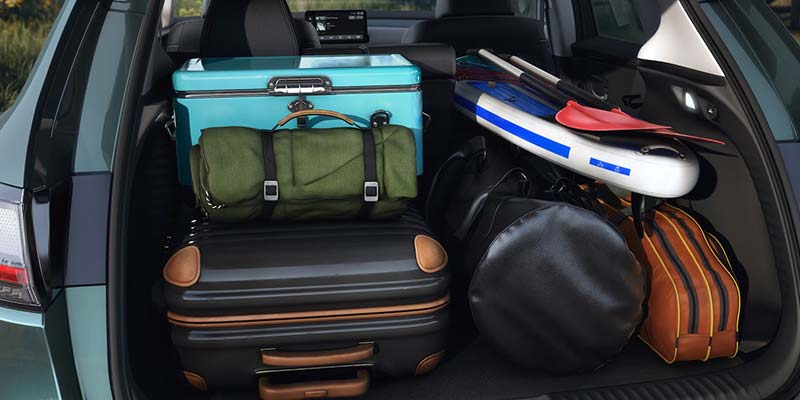
A 2026 Honda HR-V trunk displaying essentials to keep inside

Car Essentials: What Every Car Owner Should Have and Know

What are car essentials? Owning a car involves more than just driving it from point A to point B. To ensure that your vehicle runs smoothly and is prepared for any situation, there are essential items every car owner should keep in their vehicle. In addition, proper maintenance is crucial to extending the life of your car and ensuring your safety. Whether you're a new car owner or a seasoned driver, understanding what you need in your car and how to care for it can save you time, money, and potential stress down the road. At Anderson Honda, we believe in equipping our customers with the knowledge they need to maintain their vehicles and make their driving experience as smooth as possible. Below, we’ll explore key car essentials, items to keep in your vehicle, and basic maintenance tips to keep your car in top shape. Car Essentials: Items to Keep in Your Car It’s always a good idea to be prepared for the unexpected when you're on the road. Certain items can be lifesavers during emergencies or just when you're out running errands. Here are the key items every car owner should consider keeping in their vehicle: more 1. Spare Tire and Jack Kit A spare tire, along with a functional jack and lug wrench, is an absolute necessity. A flat tire can happen at any time, and having the tools to change it can prevent you from being stranded. If your car doesn't come with a spare tire, or if the spare is worn, make sure to invest in one. Important Notes: Be sure to check the tire pressure of your spare regularly to ensure it's ready to use when you need it. Tip: Some cars now come with a sealant and compressor kit instead of a full spare tire, but this may not work for every type of puncture. 2. First Aid Kit Accidents happen, and having a basic first aid kit in your car can be crucial. You don’t need to fill it with everything under the sun, but a few basic items can make all the difference in an emergency. Basic Supplies: Band-aids, antiseptic wipes, gauze pads, adhesive tape, pain relievers, and tweezers are some of the essentials. Add-ons: Consider including a pair of scissors, burn cream, and rubber gloves for more serious situations. 3. Jumper Cables Dead batteries are one of the most common reasons for vehicle breakdowns. Keeping a set of jumper cables in your trunk can allow you to quickly revive your battery or help someone else in need. Be sure that the cables are in good condition and long enough to reach the battery in both vehicles. 4. Flashlight and Extra Batteries A flashlight is invaluable if you find yourself needing to change a tire or look under the hood in low light conditions. It’s always a good idea to have a headlamp or a flashlight with spare batteries in your car. Tip: LED flashlights are more energy-efficient and provide brighter light for longer periods, making them ideal for emergency situations. 5. Water and Non-Perishable Snacks In case of a breakdown or long wait on the side of the road, it’s essential to have basic supplies like water and snacks. Pack some bottled water and granola bars, nuts, or dried fruit for energy. These items could help sustain you until help arrives or you're able to reach your destination. Basic Car Maintenance to Extend Your Vehicle’s Life Maintaining your car doesn’t have to be complicated, but regular attention to a few key components can save you from expensive repairs and headaches. Here are some simple maintenance tips every car owner should follow: 1. Regular Oil Changes Changing your vehicle’s oil regularly is one of the most important maintenance tasks you can do to extend the life of your engine. Oil lubricates the moving parts inside the engine, reducing friction and preventing damage. How Often?: Depending on the vehicle, oil should generally be changed every 3,000 to 7,500 miles. Refer to your owner’s manual for the manufacturer’s recommendation. Tip: Consider using synthetic oil for better performance and protection. 2. Check Tire Pressure Regularly Under-inflated tires can lead to poor fuel efficiency and uneven wear, while over-inflated tires may be more prone to blowouts. Regularly check your tire pressure, especially before long trips. Ideal Pressure: Check your car’s door frame or owner’s manual for the manufacturer-recommended tire pressure. Tip: Ensure that the tires are cold when you check the pressure, as tire pressure rises with heat. 3. Replace Air Filters Your car’s air filter prevents dust, dirt, and other debris from entering the engine. Over time, it can become clogged, reducing the performance of the engine and decreasing fuel efficiency. When to Replace: Check the air filter every 12,000 to 15,000 miles, or sooner if you live in an area with a lot of dust. How to Clean: If you prefer, some air filters can be cleaned, but be sure to follow the manufacturer’s instructions. 4. Brake Maintenance Brakes are one of the most important safety features of your vehicle. Check the brake pads, rotors, and fluid regularly to ensure optimal performance. When to Replace Brake Pads: Brake pads should be replaced when they are worn down to about 3mm in thickness. Tip: If you hear a squealing noise when applying the brakes, it could be an indication that the brake pads need attention. 5. Inspect Belts and Hoses Rubber belts and hoses wear over time and can lead to engine problems if they fail. A broken belt can leave you stranded, and damaged hoses can lead to coolant leaks or overheating. Visual Inspection: Regularly inspect belts and hoses for signs of wear, such as cracks, fraying, or leaks. Replacement: Most belts and hoses should be replaced every 60,000 to 100,000 miles. Other Basic Car Essentials: Knowledge While maintaining your vehicle is crucial, there are also other important things to know as a car owner to keep things running smoothly and avoid preventable breakdowns. 1. Know Your Vehicle’s Warning Lights Familiarize yourself with the dashboard warning lights in your vehicle. These lights serve as indicators for various systems in your car, such as the check engine light, oil pressure warning, battery alert, and tire pressure warning. Understanding what each light means can help you identify problems early and avoid more significant issues. Tip: Always refer to your vehicle’s owner manual to understand what each light represents. 2. Keep Track of Maintenance Schedules Most vehicles come with a recommended maintenance schedule that includes tasks like oil changes, brake inspections, tire rotations, and more. Keeping track of these services will help you stay on top of maintenance and avoid major repair issues down the road. Service Reminders: Many modern vehicles come with digital service reminders, but you can also set your own alerts through a phone app or calendar. 3. Know Where Your Car’s Emergency Kit is Stored In addition to having an emergency kit in your car, make sure you know where it is located. This will save time in an emergency situation. As a responsible car owner, keeping up with car essentials is crucial to ensure your vehicle runs efficiently and safely. Regular maintenance like oil changes, brake inspections, and tire pressure checks are key to preventing costly repairs and keeping your car in optimal condition. Don’t forget to keep emergency items like jumper cables, first aid kits, and water in your car as well. By taking these simple steps, you’ll keep your car in top shape for years to come. At Anderson Honda, we’re here to help you with any service or maintenance questions you may have. Visit us in Cockeysville, MD, and let our expert technicians assist you with everything your car needs. Stay prepared, stay safe, and keep your car running smoothly.

A 2025 Honda Pilot in Sonic Gray Pearl, part of the 2025 Honda SUV lineup

Honda SUV Lineup Comparison: Finding the Right Fit

As we move further into 2025, Honda’s SUV lineup continues to stand out in the crowded market of family vehicles, offering something for nearly every type of driver. Whether you need a compact city-friendly ride or a larger, more rugged option for outdoor adventures, Honda provides a diverse array of SUVs. At Anderson Honda in Cockeysville, MD, we’re here to help you navigate through the 2025 Honda SUV lineup and find the model that best suits your needs. 2025 Honda HR-V: A Compact and Stylish Crossover The 2025 Honda HR-V is Honda’s entry-level crossover, offering an ideal balance of compact size and versatile features. It's designed for those who seek an efficient, fun-to-drive vehicle without sacrificing practicality. more Size and Efficiency: The HR-V is perfect for urban environments. Its compact dimensions allow for easy parking and maneuverability, while the rear seats fold flat to maximize cargo space. The HR-V offers excellent fuel efficiency, making it an excellent choice for drivers who commute frequently or enjoy city driving. Interior and Technology: Despite its smaller size, the HR-V features a spacious cabin with high-quality materials and an intuitive infotainment system. Standard features include a 7-inch display, Apple CarPlay, and Android Auto integration. The 2025 model also introduces new safety technologies, including Honda Sensing, which adds features like forward collision warning and lane-keeping assist. Performance: The HR-V is powered by a 2.0-liter engine paired with a continuously variable transmission (CVT). This provides a smooth ride and responsive handling, making it well-suited for both city streets and highways. 2025 Honda CR-V: Versatility with Power The 2025 Honda CR-V is one of the most popular vehicles in Honda’s SUV lineup, known for its comfortable ride, spacious interior, and advanced technology. It strikes a perfect balance between size, capability, and efficiency. Interior Space and Comfort: The CR-V comfortably seats five passengers and offers ample legroom in both the front and rear. With 75.8 cubic feet of cargo space when the rear seats are folded down, the CR-V is ideal for families or those who need to transport large items. The interior boasts upscale materials and thoughtful design, making it one of the most comfortable vehicles in its class. Technology Features: The 2025 CR-V is equipped with a larger 9-inch touchscreen on higher trims, Apple CarPlay, Android Auto, and an upgraded 12-speaker Bose sound system. In addition, the CR-V now offers wireless charging and a suite of advanced driver assistance features, including Honda Sensing, standard on all trims. Performance and Efficiency: For 2025, the CR-V offers a choice of hybrid and traditional gasoline powertrains. The 1.5-liter turbocharged engine provides excellent acceleration, while the hybrid engine offers impressive fuel economy and added low-end torque for enhanced performance. 2025 Honda Passport: Ready for Adventure For drivers who require more space and rugged capabilities, the 2025 Honda Passport is the answer. It’s a mid-size SUV that’s perfect for outdoor enthusiasts who need both passenger comfort and off-road capability. Design and Durability: The Passport features a bold, aggressive look with a high ground clearance and a more robust build to tackle challenging terrain. It’s designed for those who need a vehicle capable of venturing off the beaten path while maintaining a comfortable, spacious interior. Interior and Utility: Inside, the Passport offers generous cargo space with up to 77.9 cubic feet with the rear seats down. Its cabin is designed with durable materials, making it ideal for families and those with active lifestyles. The rear seats are spacious enough for adults, ensuring that everyone travels comfortably. Powertrain and Performance: The 2025 Passport comes equipped with a 3.5-liter V6 engine that produces 280 horsepower, providing plenty of power for towing and off-road excursions. The intelligent all-wheel-drive system ensures stability in various road conditions, while the 9-speed automatic transmission enhances performance. Tech and Safety: The Passport includes a suite of standard safety features, including Honda Sensing. It also comes with a large 8-inch touchscreen, Apple CarPlay, Android Auto, and optional navigation to make your adventures more enjoyable. 2025 Honda Pilot: A Family-Friendly Full-Size SUV The 2025 Honda Pilot is Honda’s largest SUV, designed for families who need more seating, cargo space, and advanced features. Whether you’re going on a long road trip or simply running errands, the Pilot provides ample room for passengers and their belongings. Seating and Comfort: With seating for up to eight passengers, the Pilot is perfect for larger families. The cabin is spacious, with plenty of room for everyone, even in the third row. Premium features like available leather upholstery, tri-zone automatic climate control, and heated front seats ensure comfort for all passengers. Technology and Convenience: The 2025 Pilot comes standard with an 8-inch touchscreen, Apple CarPlay, and Android Auto. Higher trims include a 9-inch display, an in-cabin intercom system for communicating with rear-seat passengers, and a rear-seat entertainment system to keep everyone entertained on long journeys. Power and Towing: The Pilot is powered by a 3.5-liter V6 engine, offering 280 horsepower. It’s paired with a 9-speed automatic transmission, making it capable of towing up to 5,000 pounds. Available all-wheel drive ensures traction in all weather conditions, making the Pilot a reliable choice for a variety of driving situations. Choosing the Right 2025 Honda SUV The 2025 Honda SUV lineup offers a range of models designed to cater to various needs. From the compact and efficient HR-V to the family-friendly Pilot and rugged Passport, there is a Honda SUV for everyone. Whether you prioritize efficiency, performance, or adventure capabilities, Honda has created a diverse and well-rounded lineup for 2025. At Anderson Honda in Cockeysville, MD, we can help you find the perfect Honda SUV to match your needs. Visit us today to explore our inventory and take a test drive in the 2025 Honda SUV that suits your lifestyle best.

Contact Us

Fill out this form below and we'll contact you shortly
*Required Fields