

Blog / Anderson Honda Service

Tips for Maintaining Your Car's AC System

To ensure your vehicle's air conditioning system is able to keep you cool and comfortable throughout the hot summer months, it is important to perform regular AC maintenance. The following tips will keep your air conditioner running at peak performance year-round.

Tip #1: Run Your AC Regularly
You run your air conditioner religiously during the summer and never think twice about it during the winter. However, even during the coldest months of the year when you don't need the AC, it is a good idea to turn it on for about 10 minutes on a weekly basis.
Turn the AC on high and as cold as it will go. This helps to keep your air conditioner in tip-top shape by maintaining the gas pressure and keeping the compressor functioning.
Don't forget to also run the defrost once a week for five to 10 minutes. This will help to prevent mildew and unpleasant odors while also helping to remove excess moisture that may be present in the AC system. 

Tip #2: Clean the Air Filter
Cleaning the AC air filter on a regular basis is also important to maintain your car's AC system. Once an AC filter becomes dirty and clogged, it impacts how efficiently the heating and cooling system works in your vehicle. Poor efficiency can also lead to unpleasant odors, reduced air volume, and premature failure of system components.
As a general rule, your vehicle's air filter will be located behind the glove box. The glove box needs to be removed in order to access the air filter, but this is an easy process. Remove the air filter and shake it out to remove any dirt and debris build-up. The filter may need to be cleaned or replaced. If you clean it, make sure that you don't replace it until it is thoroughly dry.
Further, you should consider upgrading to a more efficient air filter as opposed to the original one that came in your vehicle. Higher-grade filters will clean the circulating air within your vehicle more efficiently while lasting longer in between cleanings and replacements.

Tip #3: Clear Debris
To further maintain your vehicle's air conditioning system, you should inspect the exterior grills that are located beneath the windshield. Check for any leaves, twigs, and other debris, and remove them if they're present. This step will help keep debris from being sucked into the AC system and causing a significant clog.
You should also check the condenser on a regular basis. Debris can build up on the condenser, causing a clog and making it operate less effectively. Use a garden hose to clean it off so it continues to work properly.

Tip #4: Vacuum the Carpet
As you can guess now, moisture and dirt are two of the things you want to avoid coming into contact with your car's air conditioning system. With that being said, it is a good idea to vacuum the carpet and mats and clean the interior of your vehicle well. In doing so, you are helping to prevent dirt, debris, and excess moisture from entering the AC duct and interior AC vent. As a result, your AC will remain cleaner and cool more efficiently.

Tip #5: Schedule Professional Service
In order for your air conditioning system to continue working properly, you will want to have it professionally serviced at a dealership like Anderson Honda. Ideally, your AC system needs to be recharged every two years. At this time, a full tune-up of the system is a good idea.
At Anderson Honda, we can help with the recharging and lubrication of the AC system's moving parts to keep them working well. Further, we can identify the presence of leaks or damage. The earlier these types of issues are detected, the more time and money you can save.
The aforementioned steps will help you maintain your car's AC system, helping prolong its lifespan and reduce potential issues. If you run into problems with the proper functioning of your air conditioning system, contact us immediately. We will diagnose the issue and get your air conditioner back up and running again, ensuring you are cool and comfortable when it matters most.

Posted in:

Related Posts

Winter Maintenance Guide: Essential Steps to Prepare Your Honda for Cold Weather

Winter Maintenance Guide: Essential Steps to Prepare Your Honda for Cold Weather

Cold weather can create new challenges for your vehicle, from lower temperatures affecting engine fluids to changing road conditions requiring additional preparation. Completing seasonal maintenance before winter arrives can help keep your Honda performing properly through colder months. At Anderson Honda in Cockeysville, MD, we help drivers understand the importance of winter vehicle maintenance, including checking antifreeze levels, inspecting tires, servicing batteries, and preparing essential vehicle systems for cold-weather driving. A reliable winter maintenance routine can help support your Honda’s performance, comfort, and dependability when temperatures drop. Whether you drive a Honda Civic for daily commuting, a Honda CR-V for family transportation, or a Honda Pilot for additional space, seasonal preparation is an important part of responsible vehicle ownership. Why Winter Vehicle Maintenance Matters Cold temperatures can impact several areas of your vehicle. Engine fluids may become less effective in extreme conditions, batteries can lose power more quickly, and tires may experience reduced traction on wet, icy, or snow-covered roads. more Winter maintenance helps drivers prepare for: Colder temperatures Reduced road traction Increased vehicle system demands Longer warm-up periods Changing driving conditions Preparing your Honda before winter arrives can help identify potential concerns early and ensure important components are ready for seasonal driving. Check and Maintain Your Honda’s Antifreeze and Coolant One of the most important winter maintenance tasks is checking your vehicle’s antifreeze, also known as engine coolant. Antifreeze helps regulate engine temperature and prevents the coolant system from freezing during cold weather. A properly maintained coolant system helps: Protect the engine from freezing temperatures Support proper engine temperature regulation Prevent overheating Maintain efficient operation Drivers should check coolant levels regularly and follow Honda’s recommended maintenance schedule for coolant inspections and replacement. It is also important to use the correct coolant type recommended for your specific Honda model. Using the wrong coolant or mixing incompatible coolant types may affect cooling system performance. Winter Battery Maintenance Cold weather can place additional strain on your vehicle’s battery. Lower temperatures can reduce battery performance, making it harder for the engine to start. Before winter driving begins, consider having your battery inspected for: Battery charge level Corrosion around terminals Signs of wear Proper electrical performance A battery inspection is especially important if your vehicle is older or if you notice slower engine starts. Check Your Tires for Winter Driving Conditions Your tires play an important role in maintaining traction and control during winter weather. Cold temperatures can affect tire pressure, and worn tires may provide reduced grip on slippery roads. Winter tire maintenance should include: Checking tire pressure Inspecting tread depth Looking for uneven wear Rotating tires as recommended Confirming proper alignment Properly maintained tires help support handling, braking, and overall driving confidence during changing weather conditions. Winter Windshield Wiper and Wiper Fluid Maintenance Winter weather often brings rain, snow, ice, and road spray that can reduce visibility. Maintaining your windshield cleaning system helps keep your view clear. Before winter arrives, inspect: Windshield wiper condition Washer fluid levels Washer fluid freeze protection rating Windshield washer spray performance Replacing worn wiper blades can help improve visibility during storms and wet driving conditions. Inspect Your Brakes Before Winter Brake performance is important throughout the year, but winter conditions can make stopping distances more challenging. Drivers should have their brake system inspected if they notice changes in performance. Common brake warning signs include: Squealing or grinding noises Brake pedal changes Longer stopping distances Vehicle pulling while braking Routine brake inspections help ensure your Honda is prepared for changing road conditions. Check Your Vehicle Fluids Several vehicle fluids play an important role in winter operation. Before temperatures drop, inspect fluid levels and follow recommended maintenance intervals. Important fluids to check include: Engine oil Antifreeze and coolant Brake fluid Transmission fluid Windshield washer fluid Using the correct fluids helps support proper vehicle operation and long-term performance. Heating and Defrost Systems Winter Maintenance A properly functioning heating and defrost system helps maintain comfort and visibility during winter driving. Before colder weather arrives, check: Cabin heater performance Front and rear defrosters Climate control operation Airflow from vents A functioning defrost system helps clear frost, fog, and condensation from windows. Prepare Your Honda Emergency Kit Winter driving conditions can change quickly. Keeping an emergency kit in your vehicle can help you stay prepared during unexpected situations. A winter vehicle emergency kit may include: Flashlight Blankets Gloves Ice scraper Jumper cables First-aid supplies Bottled water Basic tools Drivers who frequently travel longer distances may want to include additional supplies based on their driving habits and local conditions. Schedule Honda Winter Maintenance at Anderson Honda Regular maintenance is an important part of preparing your vehicle for every season. Winter service helps ensure essential systems, fluids, and components are ready for colder temperatures. At Anderson Honda in Cockeysville, MD, our service team can help inspect your Honda and address seasonal maintenance needs. From coolant checks and battery inspections to tire service and fluid maintenance, we provide the support needed to help keep your vehicle ready for winter driving. Frequently Asked Questions About Winter Car Maintenance How often should I check my antifreeze before winter? Antifreeze levels should be checked regularly as part of routine vehicle maintenance. Drivers should follow their Honda’s recommended maintenance schedule for coolant inspections and replacement. What does antifreeze do in a vehicle? Antifreeze helps regulate engine temperature and protects the cooling system from freezing in cold conditions. It also helps support proper engine operation throughout changing temperatures. Can cold weather affect my car battery? Yes. Cold temperatures can reduce battery performance and make starting the engine more difficult. Having your battery inspected before winter can help identify potential issues. Should I change my oil before winter? Following your Honda’s recommended oil change schedule is important throughout the year. Fresh engine oil helps support proper lubrication and engine performance in different driving conditions. Do I need winter tires in Maryland? Winter tires may benefit some drivers depending on driving habits, road conditions, and local weather patterns. Drivers should evaluate their tire needs based on how and where they typically travel. How do I prepare my Honda for snow and ice? Preparing your Honda for winter includes checking antifreeze, inspecting tires, testing the battery, maintaining windshield visibility, checking fluids, and ensuring heating and defrost systems work properly. How can I improve visibility while driving in winter? Drivers can improve winter visibility by replacing worn wiper blades, maintaining proper washer fluid levels, keeping windows clear, and ensuring defrost systems function correctly. What should I keep in my car during winter? A winter emergency kit may include items such as an ice scraper, flashlight, jumper cables, blankets, gloves, and basic supplies to help during unexpected situations.

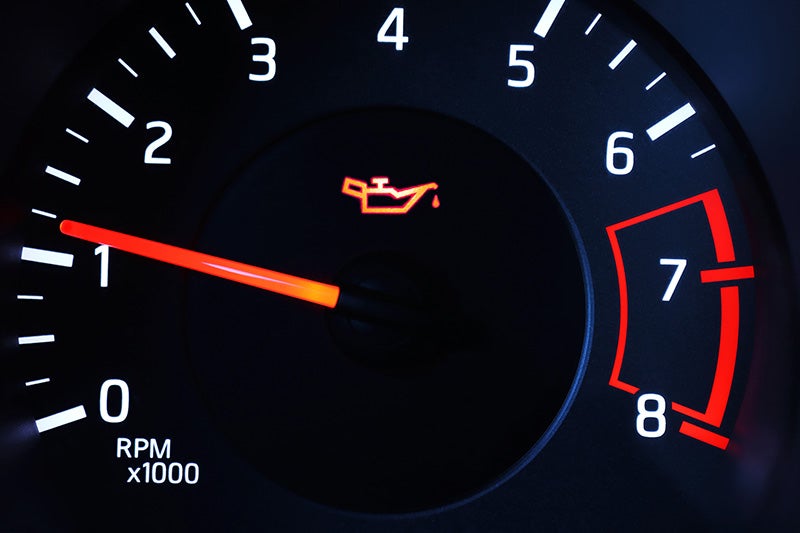
A close up of a vehicle dashboard with the check oil light on

What to Do When the Oil Light Comes On in Your Honda Vehicle

The oil light coming on in your Honda vehicle can be alarming, but it’s not always a reason to panic. While it’s crucial to address the issue promptly, understanding what the oil light signifies and how to respond can prevent unnecessary stress and potentially costly repairs. At Anderson Honda in Cockeysville, MD, we want to help you stay informed about vehicle maintenance so you can keep your Honda running smoothly for years to come. Understanding the Oil Light Indicator in Your Honda The oil light in your Honda vehicle is part of the vehicle's dashboard warning system designed to alert you to potential issues with the engine oil. There are generally two types of oil-related warning lights: more Oil Pressure Light: This light indicates that the oil pressure in your engine is low. Oil pressure is crucial for proper lubrication, and if it drops too low, it can lead to engine damage. If you see this light, it's important to stop driving and check the oil levels immediately. Oil Change Reminder: Some Honda models come equipped with a maintenance reminder system that illuminates when it’s time for an oil change. This light doesn't necessarily indicate a problem but serves as a reminder that it’s time to perform routine maintenance. Understanding the difference between these two lights can help you take the appropriate action when one of them appears on your dashboard. Why Is the Oil Light On? Common Causes When the oil light illuminates, it can be due to a few different factors. Let’s break down the most common reasons: 1. Low Oil Level One of the simplest explanations for an oil light coming on is that your engine oil level is low. As the oil level drops, the oil pump may struggle to maintain the right pressure, triggering the warning light. Low oil can be caused by leaks, consumption by the engine, or failing to check the oil regularly. 2. Poor Oil Quality Over time, engine oil breaks down and loses its ability to lubricate effectively. If the oil has become too dirty or has degraded, it can affect engine performance and lead to a drop in oil pressure. An oil change is essential to maintain the oil’s efficiency. 3. Oil Pump Failure The oil pump circulates the oil throughout the engine. If the pump fails or becomes clogged, oil may not flow properly, causing low oil pressure. This could be a serious issue requiring immediate attention. 4. Worn-Out Engine Components Over time, components inside the engine, such as bearings or seals, can wear out, causing oil leaks or a decrease in oil pressure. This can trigger the oil light and may require more extensive repairs. 5. Faulty Oil Pressure Sensor Sometimes, the problem isn’t with the oil at all but with the oil pressure sensor itself. A malfunctioning sensor can send incorrect readings, illuminating the oil light unnecessarily. If this is the case, the issue is typically less urgent but should still be addressed by a professional technician. What Should You Do When the Oil Light Comes On? If the oil light appears on your Honda’s dashboard, it’s important to take immediate action to prevent further damage to your engine. Here’s what you should do: 1. Pull Over and Turn Off the Engine If you’re driving when the oil pressure light comes on, it’s crucial to pull over to a safe location as soon as possible. Continuing to drive with low oil pressure can cause serious engine damage. Once stopped, turn off the engine to prevent further damage. 2. Check the Oil Level After turning off the engine, wait for it to cool down before checking the oil level using the dipstick. If the oil level is low, add the recommended oil type for your specific Honda model. If the oil is dark or gritty, it's time for an oil change. 3. Inspect for Leaks If your oil level is low, check for any visible oil leaks underneath the vehicle. Leaks can occur due to worn-out seals or gaskets. If you find a leak, it’s best to have a professional inspect and repair it. 4. Call for Professional Help If adding oil doesn’t turn the light off, or if the oil light remains on after an oil change, it’s time to schedule a visit to a Honda service center. A trained technician at Anderson Honda will be able to diagnose and address the issue, whether it’s a faulty oil pressure sensor, a failing oil pump, or something else. When to Change Your Honda’s Oil Routine oil changes are essential for keeping your engine running smoothly. For most Honda models, it’s recommended to change the oil every 7,500 to 10,000 miles or at least once a year, depending on your driving habits and the type of oil used. However, always refer to your owner’s manual for specific recommendations based on your model. If your Honda is equipped with a maintenance reminder system, the oil change light will typically come on when it’s time for a change. This is a helpful tool for staying on top of your vehicle’s needs, but it’s still essential to monitor your oil level and quality regularly. How Anderson Honda Can Help If the oil light on your Honda vehicle is on, Anderson Honda in Cockeysville, MD, is here to assist you. Our expert service team is trained to handle a wide range of engine and oil-related issues, from simple oil changes to more complex oil pressure problems. We use genuine Honda parts and high-quality motor oil to keep your vehicle running smoothly. Regular oil maintenance is key to maintaining your vehicle's longevity and performance, and we’re committed to helping you keep your Honda in peak condition. Whether you need an oil change, an oil pressure diagnosis, or a complete engine checkup, you can trust us to provide the care your Honda deserves. Preventative Measures: Keeping Your Honda’s Oil System in Top Shape The best way to prevent the oil light from coming on is to take proactive measures with regular vehicle maintenance. Here are a few tips: Regular Oil Checks: Make a habit of checking your oil level and quality every few months to ensure it’s within the optimal range. Stick to the Maintenance Schedule: Follow the recommended oil change intervals for your specific Honda model. Monitor for Leaks: Always keep an eye on your driveway or parking space for oil spots, which may indicate a leak. Use Quality Oil: Always use the recommended oil type for your Honda to ensure proper lubrication and performance. Visit Anderson Honda for Oil Maintenance Services When the oil light comes on, or when it’s time for your regular oil change, make sure to visit Anderson Honda in Cockeysville, MD. Our team is dedicated to providing the highest level of service to keep your Honda running smoothly. We offer oil changes, engine diagnostics, and expert maintenance to ensure your vehicle continues to perform at its best.

A 2026 Honda HR-V trunk displaying essentials to keep inside

Car Essentials: What Every Car Owner Should Have and Know

What are car essentials? Owning a car involves more than just driving it from point A to point B. To ensure that your vehicle runs smoothly and is prepared for any situation, there are essential items every car owner should keep in their vehicle. In addition, proper maintenance is crucial to extending the life of your car and ensuring your safety. Whether you're a new car owner or a seasoned driver, understanding what you need in your car and how to care for it can save you time, money, and potential stress down the road. At Anderson Honda, we believe in equipping our customers with the knowledge they need to maintain their vehicles and make their driving experience as smooth as possible. Below, we’ll explore key car essentials, items to keep in your vehicle, and basic maintenance tips to keep your car in top shape. Car Essentials: Items to Keep in Your Car It’s always a good idea to be prepared for the unexpected when you're on the road. Certain items can be lifesavers during emergencies or just when you're out running errands. Here are the key items every car owner should consider keeping in their vehicle: more 1. Spare Tire and Jack Kit A spare tire, along with a functional jack and lug wrench, is an absolute necessity. A flat tire can happen at any time, and having the tools to change it can prevent you from being stranded. If your car doesn't come with a spare tire, or if the spare is worn, make sure to invest in one. Important Notes: Be sure to check the tire pressure of your spare regularly to ensure it's ready to use when you need it. Tip: Some cars now come with a sealant and compressor kit instead of a full spare tire, but this may not work for every type of puncture. 2. First Aid Kit Accidents happen, and having a basic first aid kit in your car can be crucial. You don’t need to fill it with everything under the sun, but a few basic items can make all the difference in an emergency. Basic Supplies: Band-aids, antiseptic wipes, gauze pads, adhesive tape, pain relievers, and tweezers are some of the essentials. Add-ons: Consider including a pair of scissors, burn cream, and rubber gloves for more serious situations. 3. Jumper Cables Dead batteries are one of the most common reasons for vehicle breakdowns. Keeping a set of jumper cables in your trunk can allow you to quickly revive your battery or help someone else in need. Be sure that the cables are in good condition and long enough to reach the battery in both vehicles. 4. Flashlight and Extra Batteries A flashlight is invaluable if you find yourself needing to change a tire or look under the hood in low light conditions. It’s always a good idea to have a headlamp or a flashlight with spare batteries in your car. Tip: LED flashlights are more energy-efficient and provide brighter light for longer periods, making them ideal for emergency situations. 5. Water and Non-Perishable Snacks In case of a breakdown or long wait on the side of the road, it’s essential to have basic supplies like water and snacks. Pack some bottled water and granola bars, nuts, or dried fruit for energy. These items could help sustain you until help arrives or you're able to reach your destination. Basic Car Maintenance to Extend Your Vehicle’s Life Maintaining your car doesn’t have to be complicated, but regular attention to a few key components can save you from expensive repairs and headaches. Here are some simple maintenance tips every car owner should follow: 1. Regular Oil Changes Changing your vehicle’s oil regularly is one of the most important maintenance tasks you can do to extend the life of your engine. Oil lubricates the moving parts inside the engine, reducing friction and preventing damage. How Often?: Depending on the vehicle, oil should generally be changed every 3,000 to 7,500 miles. Refer to your owner’s manual for the manufacturer’s recommendation. Tip: Consider using synthetic oil for better performance and protection. 2. Check Tire Pressure Regularly Under-inflated tires can lead to poor fuel efficiency and uneven wear, while over-inflated tires may be more prone to blowouts. Regularly check your tire pressure, especially before long trips. Ideal Pressure: Check your car’s door frame or owner’s manual for the manufacturer-recommended tire pressure. Tip: Ensure that the tires are cold when you check the pressure, as tire pressure rises with heat. 3. Replace Air Filters Your car’s air filter prevents dust, dirt, and other debris from entering the engine. Over time, it can become clogged, reducing the performance of the engine and decreasing fuel efficiency. When to Replace: Check the air filter every 12,000 to 15,000 miles, or sooner if you live in an area with a lot of dust. How to Clean: If you prefer, some air filters can be cleaned, but be sure to follow the manufacturer’s instructions. 4. Brake Maintenance Brakes are one of the most important safety features of your vehicle. Check the brake pads, rotors, and fluid regularly to ensure optimal performance. When to Replace Brake Pads: Brake pads should be replaced when they are worn down to about 3mm in thickness. Tip: If you hear a squealing noise when applying the brakes, it could be an indication that the brake pads need attention. 5. Inspect Belts and Hoses Rubber belts and hoses wear over time and can lead to engine problems if they fail. A broken belt can leave you stranded, and damaged hoses can lead to coolant leaks or overheating. Visual Inspection: Regularly inspect belts and hoses for signs of wear, such as cracks, fraying, or leaks. Replacement: Most belts and hoses should be replaced every 60,000 to 100,000 miles. Other Basic Car Essentials: Knowledge While maintaining your vehicle is crucial, there are also other important things to know as a car owner to keep things running smoothly and avoid preventable breakdowns. 1. Know Your Vehicle’s Warning Lights Familiarize yourself with the dashboard warning lights in your vehicle. These lights serve as indicators for various systems in your car, such as the check engine light, oil pressure warning, battery alert, and tire pressure warning. Understanding what each light means can help you identify problems early and avoid more significant issues. Tip: Always refer to your vehicle’s owner manual to understand what each light represents. 2. Keep Track of Maintenance Schedules Most vehicles come with a recommended maintenance schedule that includes tasks like oil changes, brake inspections, tire rotations, and more. Keeping track of these services will help you stay on top of maintenance and avoid major repair issues down the road. Service Reminders: Many modern vehicles come with digital service reminders, but you can also set your own alerts through a phone app or calendar. 3. Know Where Your Car’s Emergency Kit is Stored In addition to having an emergency kit in your car, make sure you know where it is located. This will save time in an emergency situation. As a responsible car owner, keeping up with car essentials is crucial to ensure your vehicle runs efficiently and safely. Regular maintenance like oil changes, brake inspections, and tire pressure checks are key to preventing costly repairs and keeping your car in optimal condition. Don’t forget to keep emergency items like jumper cables, first aid kits, and water in your car as well. By taking these simple steps, you’ll keep your car in top shape for years to come. At Anderson Honda, we’re here to help you with any service or maintenance questions you may have. Visit us in Cockeysville, MD, and let our expert technicians assist you with everything your car needs. Stay prepared, stay safe, and keep your car running smoothly.