
Blog / Anderson Honda Service

Tire Rotation vs. Wheel Alignment

Your tires are one of the most critical parts of your vehicle, so it's important to keep them in good condition. Two of the best ways to do this are by getting regular tire rotations and wheel alignments. But what's the difference between these two services? At Anderson Honda, we're here to help you understand the difference between tire rotation and wheel alignment so you can make sure your vehicle is always running at its best.
Both of these services are essential to prolonging the life of your tires, but they often get confused because they both involve the tires. Below is a detailed overview to help you know more about how each service works and when you should get them done.

What Is A Wheel Alignment?
Did you know your suspension system plays a big role in keeping your vehicle's wheels aligned? Hitting a bump or running over a pothole causes your suspension system to absorb the impact. However, this also means that your suspension system can get out of alignment over time.
When your suspension system is out of alignment, it can cause your tires to wear down prematurely and unevenly. It can also lead to other problems like poor handling, decreased fuel efficiency, and premature tire wear. That's why it's important to get a wheel alignment every few years or so to keep your vehicle running smoothly.
A wheel alignment is the process of tweaking the angles of your wheels to become perpendicular to the ground and parallel to each other. This helps reduce tire wear and keeps your vehicle handling the way it should.
Here are a few things that typically happen when your vehicle is out of alignment.

  • Your vehicle is pulling to one side or another
  • Your steering wheel is off center
  • Your tires are wearing unevenly
  • Your vehicle is shaking or vibrating

What Is A Tire Rotation?
A tire rotation means you are repositioning tires on your vehicle so that they all wear evenly. Over time, certain tires on your vehicle will naturally wear down faster than others due to their position. For example, the front tires typically wear down faster than the rear tires because they bear more of the weight of the vehicle and have to brake during turns.
To prevent premature tire wear, it's important to get a tire rotation every few months or so. This will help ensure that all of your tires wear down evenly and last longer. One good rule of thumb to follow is every other oil change or roughly 6,000-8,000 miles. It's also inexpensive so there's no reason not to get one when you need it.
Below are some signs that indicate that you should rotate your tires as soon as possible.

  • Uneven wear on your tires- If you notice that one or more of your tires is wearing down faster than the others, it's probably time for a rotation
  • Shaking or vibration- If you feel a lot of shaking or vibration coming from your tires, it could be due to uneven wear.
  • Lower tire pressure- When one or more of your tires is losing more pressure than others, it's probably a good time to get a tire rotation.

Tire Rotation Vs. Wheel Alignment
One of the easiest ways to remember the difference between these two services is when you should get them done. A tire rotation is considered a preventative measure that you should do every few months or so to avoid premature tire wear. A wheel alignment is something you should get done when you notice your vehicle isn't handling the way it should or your tires are wearing unevenly.
You can also think of it like this- a tire rotation moves your tires around to even out the wear, while a wheel alignment adjusts the angles of your tires to keep them aligned properly.
Both of these services are important to the longevity of your tires and the overall performance of your vehicle. By getting them done on a regular basis, you can avoid costly repairs down the road and make sure your vehicle is always running at its best.

Make An Appointment With The Service Department At Anderson Honda
If you're due for a tire rotation or wheel alignment, or if you're not sure and would like our opinion, make an appointment with the service department at Anderson Honda today. Our team of highly trained technicians will be more than happy to inspect your vehicle and recommend the best course of action. We look forward to serving you!

Posted in:

Related Posts

Check Engine Light On? Here's What to Do

Check Engine Light On? Here's What to Do

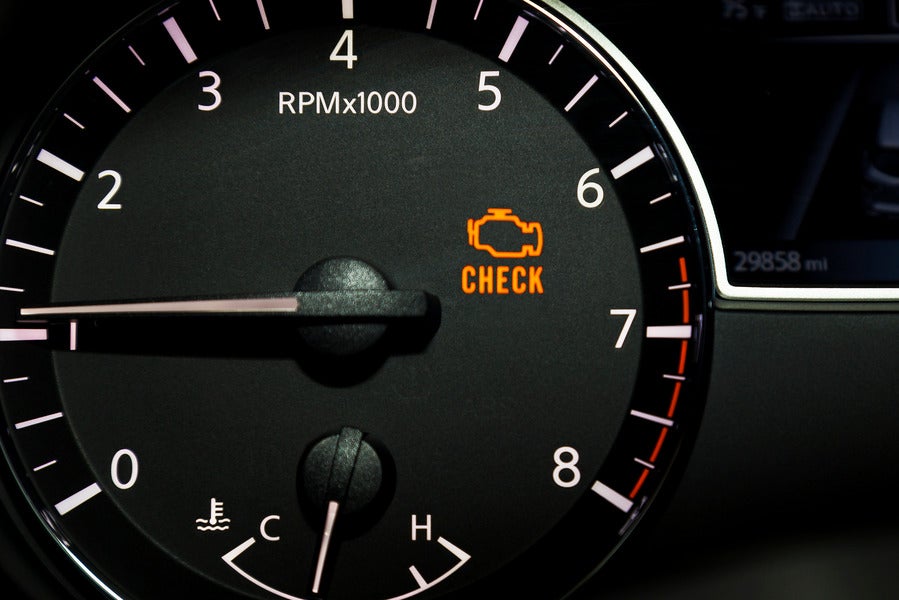
What to Do When Your Check Engine Light Is On Seeing a warning glow on your dashboard during your daily commute can instantly cause stress. Fortunately, the service team at Anderson Honda in Cockeysville, MD, is ready to help you decode your vehicle and get you back on the road safely. Reach out to our service department today for more information or to schedule an inspection. What Does the Check Engine Light Look Like? The check engine light is an amber or yellow icon shaped like a small engine outline, sometimes featuring the words "Check Engine" or "Service Engine Soon." This indicator appears on your dashboard instrument cluster as part of your Honda onboard diagnostic system. The light activates in two ways: steady or flashing. A steady glow typically signals a minor issue that still requires attention, while a flashing light indicates a severe problem, such as an engine misfire, that demands immediate action. Do I Need to Go to the Mechanic Right Away? Your next steps depend on how your vehicle behaves. Stop driving as soon as it is safe if the light appears alongside rough idling, reduced power, unusual smells, or a spiking temperature gauge. If the light remains steady and your car runs normally, you have a bit of time. Common triggers include a loose gas cap, a faulty oxygen sensor, or a worn spark plug. These issues are not emergencies, though ignoring them reduces fuel efficiency and performance. Drivers in Cockeysville, MD, can bring their vehicles to Anderson Honda, where a certified technician will connect a diagnostic scanner to retrieve the exact fault code. Do I Need to Tow My Car? A steady check engine light on a smoothly running vehicle generally allows for short drives to the service center. Certain conditions, however, require a tow truck. Arrange a tow if the light flashes, the car loses power, you notice smoke or burning smells, or the oil pressure and temperature lights activate. Driving under these conditions causes severe engine damage and leads to costly repairs. Visit Anderson Honda for a Diagnosis When your dashboard warning light activates, the team at Anderson Honda is ready to assist. Our trained technicians use advanced diagnostic tools to pinpoint the problem fast. From a quick adjustment to a complex repair, we explain the findings clearly and outline your best options without any pressure. Don't Wait on That Check Engine Light A dashboard warning serves as an early alert before a minor hiccup turns into a major breakdown. Knowing how to respond and when to call a tow truck saves you time and stress. Bring your vehicle to Anderson Honda in Cockeysville, MD, and let our service experts handle the rest.

Winter Maintenance Guide: Essential Steps to Prepare Your Honda for Cold Weather

Winter Maintenance Guide: Essential Steps to Prepare Your Honda for Cold Weather

Cold weather can create new challenges for your vehicle, from lower temperatures affecting engine fluids to changing road conditions requiring additional preparation. Completing seasonal maintenance before winter arrives can help keep your Honda performing properly through colder months. At Anderson Honda in Cockeysville, MD, we help drivers understand the importance of winter vehicle maintenance, including checking antifreeze levels, inspecting tires, servicing batteries, and preparing essential vehicle systems for cold-weather driving. A reliable winter maintenance routine can help support your Honda’s performance, comfort, and dependability when temperatures drop. Whether you drive a Honda Civic for daily commuting, a Honda CR-V for family transportation, or a Honda Pilot for additional space, seasonal preparation is an important part of responsible vehicle ownership. Why Winter Vehicle Maintenance Matters Cold temperatures can impact several areas of your vehicle. Engine fluids may become less effective in extreme conditions, batteries can lose power more quickly, and tires may experience reduced traction on wet, icy, or snow-covered roads. Winter maintenance helps drivers prepare for: Colder temperatures Reduced road traction Increased vehicle system demands Longer warm-up periods Changing driving conditions Preparing your Honda before winter arrives can help identify potential concerns early and ensure important components are ready for seasonal driving. Check and Maintain Your Honda’s Antifreeze and Coolant One of the most important winter maintenance tasks is checking your vehicle’s antifreeze, also known as engine coolant. Antifreeze helps regulate engine temperature and prevents the coolant system from freezing during cold weather. A properly maintained coolant system helps: Protect the engine from freezing temperatures Support proper engine temperature regulation Prevent overheating Maintain efficient operation Drivers should check coolant levels regularly and follow Honda’s recommended maintenance schedule for coolant inspections and replacement. It is also important to use the correct coolant type recommended for your specific Honda model. Using the wrong coolant or mixing incompatible coolant types may affect cooling system performance. Winter Battery Maintenance Cold weather can place additional strain on your vehicle’s battery. Lower temperatures can reduce battery performance, making it harder for the engine to start. Before winter driving begins, consider having your battery inspected for: Battery charge level Corrosion around terminals Signs of wear Proper electrical performance A battery inspection is especially important if your vehicle is older or if you notice slower engine starts. Check Your Tires for Winter Driving Conditions Your tires play an important role in maintaining traction and control during winter weather. Cold temperatures can affect tire pressure, and worn tires may provide reduced grip on slippery roads. Winter tire maintenance should include: Checking tire pressure Inspecting tread depth Looking for uneven wear Rotating tires as recommended Confirming proper alignment Properly maintained tires help support handling, braking, and overall driving confidence during changing weather conditions. Winter Windshield Wiper and Wiper Fluid Maintenance Winter weather often brings rain, snow, ice, and road spray that can reduce visibility. Maintaining your windshield cleaning system helps keep your view clear. Before winter arrives, inspect: Windshield wiper condition Washer fluid levels Washer fluid freeze protection rating Windshield washer spray performance Replacing worn wiper blades can help improve visibility during storms and wet driving conditions. Inspect Your Brakes Before Winter Brake performance is important throughout the year, but winter conditions can make stopping distances more challenging. Drivers should have their brake system inspected if they notice changes in performance. Common brake warning signs include: Squealing or grinding noises Brake pedal changes Longer stopping distances Vehicle pulling while braking Routine brake inspections help ensure your Honda is prepared for changing road conditions. Check Your Vehicle Fluids Several vehicle fluids play an important role in winter operation. Before temperatures drop, inspect fluid levels and follow recommended maintenance intervals. Important fluids to check include: Engine oil Antifreeze and coolant Brake fluid Transmission fluid Windshield washer fluid Using the correct fluids helps support proper vehicle operation and long-term performance. Heating and Defrost Systems Winter Maintenance A properly functioning heating and defrost system helps maintain comfort and visibility during winter driving. Before colder weather arrives, check: Cabin heater performance Front and rear defrosters Climate control operation Airflow from vents A functioning defrost system helps clear frost, fog, and condensation from windows. Prepare Your Honda Emergency Kit Winter driving conditions can change quickly. Keeping an emergency kit in your vehicle can help you stay prepared during unexpected situations. A winter vehicle emergency kit may include: Flashlight Blankets Gloves Ice scraper Jumper cables First-aid supplies Bottled water Basic tools Drivers who frequently travel longer distances may want to include additional supplies based on their driving habits and local conditions. Schedule Honda Winter Maintenance at Anderson Honda Regular maintenance is an important part of preparing your vehicle for every season. Winter service helps ensure essential systems, fluids, and components are ready for colder temperatures. At Anderson Honda in Cockeysville, MD, our service team can help inspect your Honda and address seasonal maintenance needs. From coolant checks and battery inspections to tire service and fluid maintenance, we provide the support needed to help keep your vehicle ready for winter driving. Frequently Asked Questions About Winter Car Maintenance How often should I check my antifreeze before winter? Antifreeze levels should be checked regularly as part of routine vehicle maintenance. Drivers should follow their Honda’s recommended maintenance schedule for coolant inspections and replacement. What does antifreeze do in a vehicle? Antifreeze helps regulate engine temperature and protects the cooling system from freezing in cold conditions. It also helps support proper engine operation throughout changing temperatures. Can cold weather affect my car battery? Yes. Cold temperatures can reduce battery performance and make starting the engine more difficult. Having your battery inspected before winter can help identify potential issues. Should I change my oil before winter? Following your Honda’s recommended oil change schedule is important throughout the year. Fresh engine oil helps support proper lubrication and engine performance in different driving conditions. Do I need winter tires in Maryland? Winter tires may benefit some drivers depending on driving habits, road conditions, and local weather patterns. Drivers should evaluate their tire needs based on how and where they typically travel. How do I prepare my Honda for snow and ice? Preparing your Honda for winter includes checking antifreeze, inspecting tires, testing the battery, maintaining windshield visibility, checking fluids, and ensuring heating and defrost systems work properly. How can I improve visibility while driving in winter? Drivers can improve winter visibility by replacing worn wiper blades, maintaining proper washer fluid levels, keeping windows clear, and ensuring defrost systems function correctly. What should I keep in my car during winter? A winter emergency kit may include items such as an ice scraper, flashlight, jumper cables, blankets, gloves, and basic supplies to help during unexpected situations.

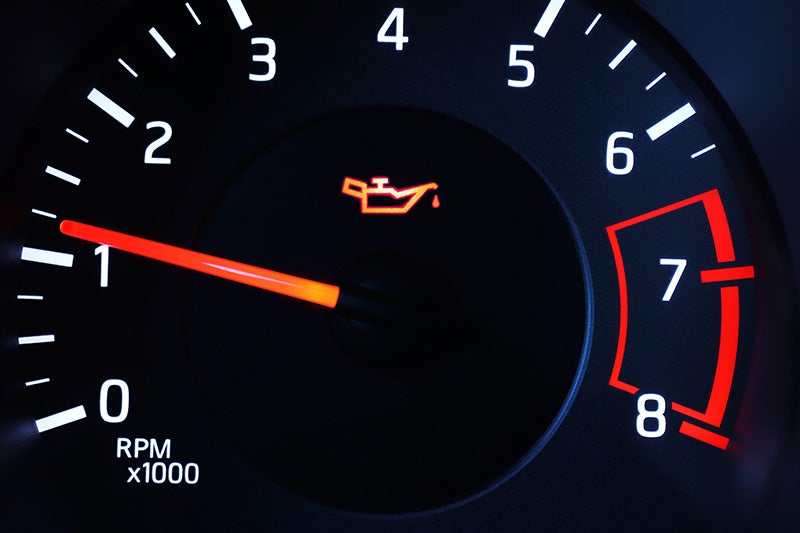
A close up of a vehicle dashboard with the check oil light on

What to Do When the Oil Light Comes On in Your Honda Vehicle

The oil light coming on in your Honda vehicle can be alarming, but it’s not always a reason to panic. While it’s crucial to address the issue promptly, understanding what the oil light signifies and how to respond can prevent unnecessary stress and potentially costly repairs. At Anderson Honda in Cockeysville, MD, we want to help you stay informed about vehicle maintenance so you can keep your Honda running smoothly for years to come. Understanding the Oil Light Indicator in Your Honda The oil light in your Honda vehicle is part of the vehicle's dashboard warning system designed to alert you to potential issues with the engine oil. There are generally two types of oil-related warning lights: Oil Pressure Light: This light indicates that the oil pressure in your engine is low. Oil pressure is crucial for proper lubrication, and if it drops too low, it can lead to engine damage. If you see this light, it's important to stop driving and check the oil levels immediately. Oil Change Reminder: Some Honda models come equipped with a maintenance reminder system that illuminates when it’s time for an oil change. This light doesn't necessarily indicate a problem but serves as a reminder that it’s time to perform routine maintenance. Understanding the difference between these two lights can help you take the appropriate action when one of them appears on your dashboard. Why Is the Oil Light On? Common Causes When the oil light illuminates, it can be due to a few different factors. Let’s break down the most common reasons: 1. Low Oil Level One of the simplest explanations for an oil light coming on is that your engine oil level is low. As the oil level drops, the oil pump may struggle to maintain the right pressure, triggering the warning light. Low oil can be caused by leaks, consumption by the engine, or failing to check the oil regularly. 2. Poor Oil Quality Over time, engine oil breaks down and loses its ability to lubricate effectively. If the oil has become too dirty or has degraded, it can affect engine performance and lead to a drop in oil pressure. An oil change is essential to maintain the oil’s efficiency. 3. Oil Pump Failure The oil pump circulates the oil throughout the engine. If the pump fails or becomes clogged, oil may not flow properly, causing low oil pressure. This could be a serious issue requiring immediate attention. 4. Worn-Out Engine Components Over time, components inside the engine, such as bearings or seals, can wear out, causing oil leaks or a decrease in oil pressure. This can trigger the oil light and may require more extensive repairs. 5. Faulty Oil Pressure Sensor Sometimes, the problem isn’t with the oil at all but with the oil pressure sensor itself. A malfunctioning sensor can send incorrect readings, illuminating the oil light unnecessarily. If this is the case, the issue is typically less urgent but should still be addressed by a professional technician. What Should You Do When the Oil Light Comes On? If the oil light appears on your Honda’s dashboard, it’s important to take immediate action to prevent further damage to your engine. Here’s what you should do: 1. Pull Over and Turn Off the Engine If you’re driving when the oil pressure light comes on, it’s crucial to pull over to a safe location as soon as possible. Continuing to drive with low oil pressure can cause serious engine damage. Once stopped, turn off the engine to prevent further damage. 2. Check the Oil Level After turning off the engine, wait for it to cool down before checking the oil level using the dipstick. If the oil level is low, add the recommended oil type for your specific Honda model. If the oil is dark or gritty, it's time for an oil change. 3. Inspect for Leaks If your oil level is low, check for any visible oil leaks underneath the vehicle. Leaks can occur due to worn-out seals or gaskets. If you find a leak, it’s best to have a professional inspect and repair it. 4. Call for Professional Help If adding oil doesn’t turn the light off, or if the oil light remains on after an oil change, it’s time to schedule a visit to a Honda service center. A trained technician at Anderson Honda will be able to diagnose and address the issue, whether it’s a faulty oil pressure sensor, a failing oil pump, or something else. When to Change Your Honda’s Oil Routine oil changes are essential for keeping your engine running smoothly. For most Honda models, it’s recommended to change the oil every 7,500 to 10,000 miles or at least once a year, depending on your driving habits and the type of oil used. However, always refer to your owner’s manual for specific recommendations based on your model. If your Honda is equipped with a maintenance reminder system, the oil change light will typically come on when it’s time for a change. This is a helpful tool for staying on top of your vehicle’s needs, but it’s still essential to monitor your oil level and quality regularly. How Anderson Honda Can Help If the oil light on your Honda vehicle is on, Anderson Honda in Cockeysville, MD, is here to assist you. Our expert service team is trained to handle a wide range of engine and oil-related issues, from simple oil changes to more complex oil pressure problems. We use genuine Honda parts and high-quality motor oil to keep your vehicle running smoothly. Regular oil maintenance is key to maintaining your vehicle's longevity and performance, and we’re committed to helping you keep your Honda in peak condition. Whether you need an oil change, an oil pressure diagnosis, or a complete engine checkup, you can trust us to provide the care your Honda deserves. Preventative Measures: Keeping Your Honda’s Oil System in Top Shape The best way to prevent the oil light from coming on is to take proactive measures with regular vehicle maintenance. Here are a few tips: Regular Oil Checks: Make a habit of checking your oil level and quality every few months to ensure it’s within the optimal range. Stick to the Maintenance Schedule: Follow the recommended oil change intervals for your specific Honda model. Monitor for Leaks: Always keep an eye on your driveway or parking space for oil spots, which may indicate a leak. Use Quality Oil: Always use the recommended oil type for your Honda to ensure proper lubrication and performance. Visit Anderson Honda for Oil Maintenance Services When the oil light comes on, or when it’s time for your regular oil change, make sure to visit Anderson Honda in Cockeysville, MD. Our team is dedicated to providing the highest level of service to keep your Honda running smoothly. We offer oil changes, engine diagnostics, and expert maintenance to ensure your vehicle continues to perform at its best.