
Blog / Certified Pre-Owned

Honda Certified Pre-Owned: Your Top Questions Answered

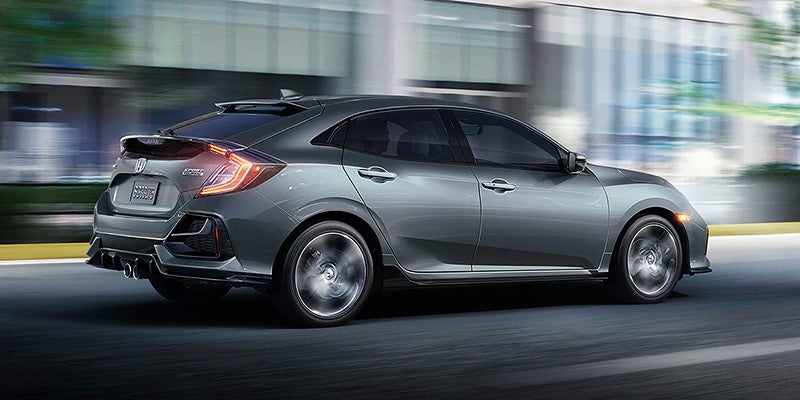
Honda Certified Pre-Owned: Your Top Questions Answered - 2021 Honda Civic Hatchback

If you've been shopping for a used Honda around Cockeysville, Maryland and wondering whether certified pre-owned is worth it, you're not alone. Certified pre-owned vehicles come up often in buyer research, and there are plenty of common questions around what the program includes. This guide breaks it all down so you can shop with confidence. 

What Is Honda Certified Pre-Owned? 

Honda Certified Pre-Owned, also known as HondaTrue Certified, is a program that allows pre-owned Honda vehicles to be sold under a set of strict manufacturer-backed standards. Not every used Honda qualifies - vehicles must meet age and mileage requirements and pass a rigorous inspection process before earning the certified pre-owned designation. It's Honda's way of standing behind the quality of a used vehicle. 

What Are the Benefits of Buying Certified Pre-Owned? 

One of the biggest advantages of a certified pre-owned Honda is the peace of mind it offers. You're not just buying a used car - you're buying one that has been reviewed, reconditioned, and backed by Honda. Benefits typically include a multi-point inspection, extended warranty coverage, roadside assistance, and a vehicle history report.  

How Does the Honda Inspection Process Work? 

Every CPO Honda must pass a 182-point inspection before it can be sold under the program. Trained technicians examine the vehicle from top to bottom, checking everything from the engine and transmission to the brakes, tires, and interior components. Any item that doesn't meet Honda's standards must be repaired or replaced. This comes up often because buyers want to know what's actually been looked at - and the answer is: nearly everything. 

What Are the HondaTrue Certified Tiers? 

Honda's CPO program offers two tiers: HondaTrue Certified and HondaTrue Certified+. HondaTrue Certified applies to Honda vehicles that are up to six model years old with under 80,000 miles. HondaTrue Certified+ covers newer vehicles - typically up to two model years old with fewer than 24,000 miles - and includes additional coverage benefits. 

What's the Difference Between Certified Pre-Owned and a Regular Used Car? 

A standard used car may come with no inspection, no warranty, and no manufacturer involvement. A certified pre-owned Honda, by contrast, goes through Honda's multi-point inspection, meets specific eligibility requirements, and comes with warranty coverage.  

What Warranty Coverage Comes With a Certified Pre-Owned Honda? 

Warranty coverage is one of the key reasons shoppers choose certified pre-owned over standard used vehicles. HondaTrue Certified vehicles typically come with a limited powertrain warranty and a 7-year/100,000-mile powertrain coverage from the original sale date, depending on the tier. Roadside assistance is also included. These protections can save you significantly on unexpected repair costs down the road. 

Visit Anderson Honda to Explore Certified Pre-Owned Options 

If you have more questions about the program or you're ready to browse available inventory, the team at Anderson Honda is here to help. Certified pre-owned Hondas offer a smart path to reliable, inspected, and warranty-backed vehicles at a more accessible price point. Stop by or schedule a test drive to explore what's currently available and find the right fit for your needs. 
Posted in:

Recommended Posts

Winter Maintenance Guide: Essential Steps to Prepare Your Honda for Cold Weather

Winter Maintenance Guide: Essential Steps to Prepare Your Honda for Cold Weather

Cold weather can create new challenges for your vehicle, from lower temperatures affecting engine fluids to changing road conditions requiring additional preparation. Completing seasonal maintenance before winter arrives can help keep your Honda performing properly through colder months. At Anderson Honda in Cockeysville, MD, we help drivers understand the importance of winter vehicle maintenance, including checking antifreeze levels, inspecting tires, servicing batteries, and preparing essential vehicle systems for cold-weather driving. A reliable winter maintenance routine can help support your Honda’s performance, comfort, and dependability when temperatures drop. Whether you drive a Honda Civic for daily commuting, a Honda CR-V for family transportation, or a Honda Pilot for additional space, seasonal preparation is an important part of responsible vehicle ownership. Why Winter Vehicle Maintenance Matters Cold temperatures can impact several areas of your vehicle. Engine fluids may become less effective in extreme conditions, batteries can lose power more quickly, and tires may experience reduced traction on wet, icy, or snow-covered roads. more Winter maintenance helps drivers prepare for: Colder temperatures Reduced road traction Increased vehicle system demands Longer warm-up periods Changing driving conditions Preparing your Honda before winter arrives can help identify potential concerns early and ensure important components are ready for seasonal driving. Check and Maintain Your Honda’s Antifreeze and Coolant One of the most important winter maintenance tasks is checking your vehicle’s antifreeze, also known as engine coolant. Antifreeze helps regulate engine temperature and prevents the coolant system from freezing during cold weather. A properly maintained coolant system helps: Protect the engine from freezing temperatures Support proper engine temperature regulation Prevent overheating Maintain efficient operation Drivers should check coolant levels regularly and follow Honda’s recommended maintenance schedule for coolant inspections and replacement. It is also important to use the correct coolant type recommended for your specific Honda model. Using the wrong coolant or mixing incompatible coolant types may affect cooling system performance. Winter Battery Maintenance Cold weather can place additional strain on your vehicle’s battery. Lower temperatures can reduce battery performance, making it harder for the engine to start. Before winter driving begins, consider having your battery inspected for: Battery charge level Corrosion around terminals Signs of wear Proper electrical performance A battery inspection is especially important if your vehicle is older or if you notice slower engine starts. Check Your Tires for Winter Driving Conditions Your tires play an important role in maintaining traction and control during winter weather. Cold temperatures can affect tire pressure, and worn tires may provide reduced grip on slippery roads. Winter tire maintenance should include: Checking tire pressure Inspecting tread depth Looking for uneven wear Rotating tires as recommended Confirming proper alignment Properly maintained tires help support handling, braking, and overall driving confidence during changing weather conditions. Winter Windshield Wiper and Wiper Fluid Maintenance Winter weather often brings rain, snow, ice, and road spray that can reduce visibility. Maintaining your windshield cleaning system helps keep your view clear. Before winter arrives, inspect: Windshield wiper condition Washer fluid levels Washer fluid freeze protection rating Windshield washer spray performance Replacing worn wiper blades can help improve visibility during storms and wet driving conditions. Inspect Your Brakes Before Winter Brake performance is important throughout the year, but winter conditions can make stopping distances more challenging. Drivers should have their brake system inspected if they notice changes in performance. Common brake warning signs include: Squealing or grinding noises Brake pedal changes Longer stopping distances Vehicle pulling while braking Routine brake inspections help ensure your Honda is prepared for changing road conditions. Check Your Vehicle Fluids Several vehicle fluids play an important role in winter operation. Before temperatures drop, inspect fluid levels and follow recommended maintenance intervals. Important fluids to check include: Engine oil Antifreeze and coolant Brake fluid Transmission fluid Windshield washer fluid Using the correct fluids helps support proper vehicle operation and long-term performance. Heating and Defrost Systems Winter Maintenance A properly functioning heating and defrost system helps maintain comfort and visibility during winter driving. Before colder weather arrives, check: Cabin heater performance Front and rear defrosters Climate control operation Airflow from vents A functioning defrost system helps clear frost, fog, and condensation from windows. Prepare Your Honda Emergency Kit Winter driving conditions can change quickly. Keeping an emergency kit in your vehicle can help you stay prepared during unexpected situations. A winter vehicle emergency kit may include: Flashlight Blankets Gloves Ice scraper Jumper cables First-aid supplies Bottled water Basic tools Drivers who frequently travel longer distances may want to include additional supplies based on their driving habits and local conditions. Schedule Honda Winter Maintenance at Anderson Honda Regular maintenance is an important part of preparing your vehicle for every season. Winter service helps ensure essential systems, fluids, and components are ready for colder temperatures. At Anderson Honda in Cockeysville, MD, our service team can help inspect your Honda and address seasonal maintenance needs. From coolant checks and battery inspections to tire service and fluid maintenance, we provide the support needed to help keep your vehicle ready for winter driving. Frequently Asked Questions About Winter Car Maintenance How often should I check my antifreeze before winter? Antifreeze levels should be checked regularly as part of routine vehicle maintenance. Drivers should follow their Honda’s recommended maintenance schedule for coolant inspections and replacement. What does antifreeze do in a vehicle? Antifreeze helps regulate engine temperature and protects the cooling system from freezing in cold conditions. It also helps support proper engine operation throughout changing temperatures. Can cold weather affect my car battery? Yes. Cold temperatures can reduce battery performance and make starting the engine more difficult. Having your battery inspected before winter can help identify potential issues. Should I change my oil before winter? Following your Honda’s recommended oil change schedule is important throughout the year. Fresh engine oil helps support proper lubrication and engine performance in different driving conditions. Do I need winter tires in Maryland? Winter tires may benefit some drivers depending on driving habits, road conditions, and local weather patterns. Drivers should evaluate their tire needs based on how and where they typically travel. How do I prepare my Honda for snow and ice? Preparing your Honda for winter includes checking antifreeze, inspecting tires, testing the battery, maintaining windshield visibility, checking fluids, and ensuring heating and defrost systems work properly. How can I improve visibility while driving in winter? Drivers can improve winter visibility by replacing worn wiper blades, maintaining proper washer fluid levels, keeping windows clear, and ensuring defrost systems function correctly. What should I keep in my car during winter? A winter emergency kit may include items such as an ice scraper, flashlight, jumper cables, blankets, gloves, and basic supplies to help during unexpected situations.

Honda Coolant FAQ: The Overlooked Fluid That Protects Your Entire Engine

Honda Coolant: The Overlooked Fluid That Protects Your Entire Engine

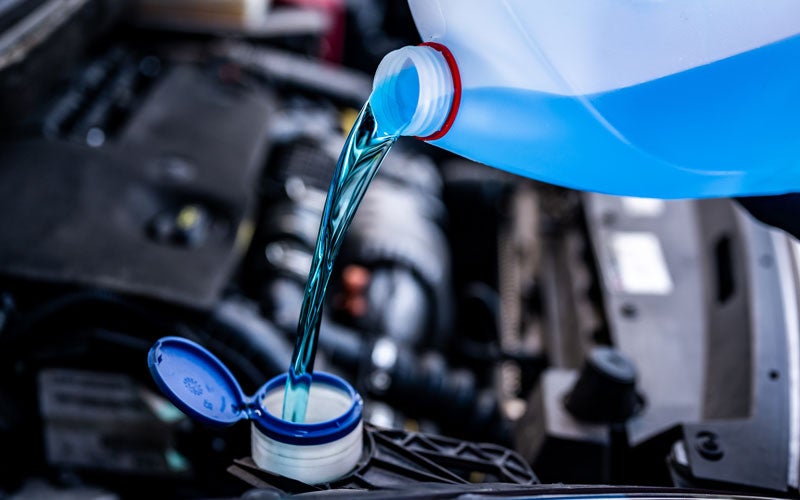
Modern vehicle design is full of sophisticated engineering, from advanced safety systems to turbocharged powertrains. Yet one of the most important components in your Honda remains a simple liquid flowing through a network of passages, hoses, and radiators. Coolant rarely receives much attention until a warning light appears or an engine begins running hot. By then, the conversation has usually become far more expensive. For Honda owners in Cockeysville, MD, understanding the cooling system and maintaining it properly can help prevent overheating, reduce component wear, and support long-term engine reliability. Why Coolant Matters More Than Most Drivers Realize An engine generates tremendous amounts of heat every time it operates. Without an effective cooling system, temperatures would rise quickly beyond safe operating limits. Coolant circulates through the engine, absorbing heat before carrying it to the radiator, where that heat is released into the air. The process sounds simple, but it is fundamental to the health of the entire powertrain. more Beyond temperature control, coolant also protects metal components from corrosion and helps preserve seals, hoses, and gaskets throughout the cooling system. It is one of the few maintenance items that affects both performance and longevity at the same time. Close Relation to Antifreeze Many drivers use the terms interchangeably, though there is a slight difference. Antifreeze is the concentrated chemical formula, typically made with ethylene glycol or propylene glycol. Coolant is the mixture created when antifreeze is blended with water, often in a 50/50 ratio, and installed in the vehicle. That mixture allows the cooling system to perform effectively in both hot summers and cold winters while helping prevent freezing, boiling, and corrosion. Not Every Coolant Belongs in Every Vehicle One of the most common mistakes drivers make is assuming all coolant products are essentially the same. Different manufacturers engineer their cooling systems around specific coolant formulations. Honda recommends Honda Long Life Antifreeze/Coolant Type 2, a blue HOAT (Hybrid Organic Acid Technology) developed specifically for Honda vehicles. Using the wrong type can reduce corrosion protection and create compatibility issues within the cooling system. When in doubt, always consult your owner's manual or speak with a Honda service professional before adding fluids to the system. When Should Coolant Be Flushed or Refilled? Unlike engine oil, coolant does not require frequent replacement. Still, it does not last forever. Over time, the protective additives within the coolant begin breaking down. As that happens, the fluid becomes less effective at controlling corrosion and maintaining proper operating temperatures. Many Honda vehicles require coolant replacement around every five years or 45,000 miles, though exact intervals vary by model and driving conditions. A cloudy appearance, discoloration, visible leaks, or higher-than-normal operating temperatures can all indicate that service may be needed sooner. A simple refill may be appropriate when coolant levels are low and the fluid remains clean. A full flush becomes necessary when the fluids have aged beyond the recommended service life or shows signs of contamination. What Happens During a Fluid Flush? A coolant flush removes old fluid from the cooling system before replacing it with fresh coolant. During the service, technicians often inspect related components such as hoses, radiator connections, the radiator cap, and the water pump. This inspection can help identify small concerns before they develop into larger repairs. More importantly, fresh coolant restores the system's ability to manage heat effectively and maintain proper protection throughout the engine and cooling system. Schedule Honda Cooling System Service in Cockeysville, MD Coolant may not receive the same attention as oil changes or tire replacements, but its role is every bit as important. Maintaining the proper fluid levels and following recommended service intervals can help protect your Honda for years to come. If you are unsure when your coolant was last serviced, the team at Anderson Honda can inspect your cooling system, perform a flush if needed, and help keep your vehicle operating at its best throughout every season in Maryland.

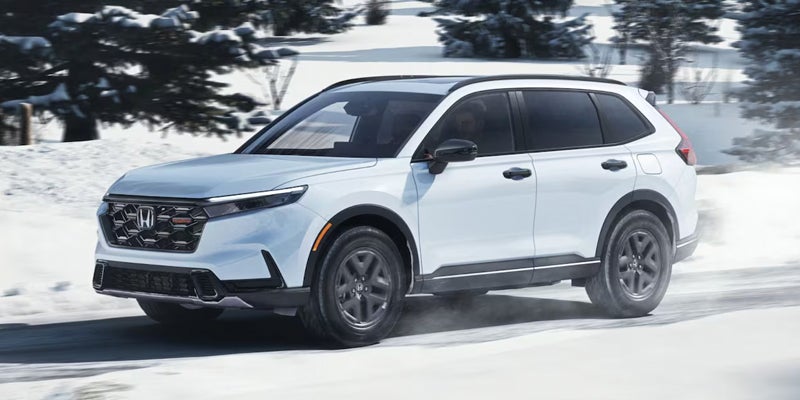
2026 Honda CR-V Everyday Versatility and Family Comfort 

2026 Honda CR-V Everyday Versatility and Family Comfort

Most families don’t shop for an SUV because they want something exciting. They shop because life gets busy. That’s where the 2026 Honda CR-V quietly makes sense. Around Cockeysville, MD, drivers are drawn to its balance of practical usability, modern technology, and just enough style to feel proud pulling into the driveway. Exterior Capability and Flexible Cargo Solutions for Real Life The CR-V’s design feels purposeful rather than over-the-top. A long wheelbase and wide stance help create a planted, confident look on the road, while available roof rails expand carrying potential for bikes, kayaks, or family travel gear. The available hands-free power tailgate becomes especially useful on busy days when both hands are full. more Inside, cargo capacity reaches up to 76.5 cu. ft. with the rear seats folded, giving families room to adapt quickly to changing plans. Hybrid TrailSport trims introduce Real Time AWD™ and all-terrain tires that add confidence for drivers who occasionally venture beyond paved streets around Maryland bush country. 2026 Honda CR-V Interior Comfort and Technology Step into the cabin and the CR-V immediately feels welcoming. Body-stabilizing front seats help reduce fatigue during longer drives, while available leather-trimmed upholstery adds a sense of refinement without feeling excessive. Technology is integrated thoughtfully. An available 10.2-inch digital driver display works alongside a standard 9-inch touchscreen featuring wireless Apple CarPlay® and Android Auto™ connectivity. Dual-zone climate control keeps passengers comfortable during seasonal shifts, and available heated seating and a heated steering wheel make early mornings far more manageable. Driver Assistance and Hybrid Efficiency for Modern Ownership The CR-V continues to prioritize safety through the Honda Sensing® suite. Features such as Adaptive Cruise Control with Low-Speed Follow, Lane Keeping Assist System, and Collision Mitigation Braking System™ help reduce stress during heavy traffic or longer journeys. Hybrid trims produce about 204 hp while delivering impressive efficiency ratings near 40 mpg in city driving conditions. For families in Cockeysville balancing fuel costs with everyday mobility (especially now), this combination of performance and economy feels especially relevant. Experience the 2026 Honda CR-V firsthand at Anderson Honda in Cockeysville, MD. Visit us to explore its spacious interior, flexible cargo solutions, and advanced technology features. Our team is ready to help you discover how the CR-V can seamlessly fit into your family’s daily routines and weekend adventures. Schedule a test drive today and see for yourself how the 2026 Honda CR-V can enhance your driving experience!